Table of Contents (15 sections)
What is Artistic Photography?
Artistic photography transcends mere documentation, focusing instead on expressing a vision or sentiment through visual storytelling. It's a blend of technical skill and artistic interpretation. Unlike traditional photography, which often emphasizes clarity and literal representation, artistic photography leans towards abstraction and creativity. According to various studies in the field, artistic photography can evoke emotions and provoke thought, making it a powerful form of visual communication. The International Photography Awards highlight that more than 60% of participants in recent years aimed to convey personal stories through their works, showcasing this genre's importance in contemporary culture. The essence of artistic photography is to find beauty in unexpected places and present it compellingly.
Understand Lighting Basics
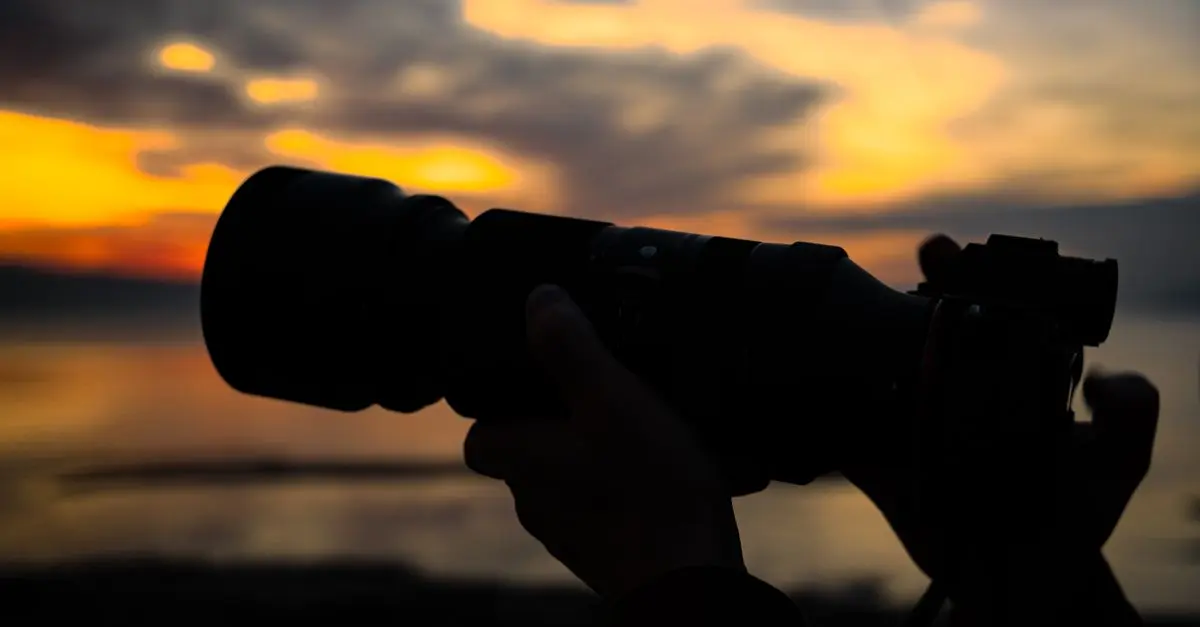
Lighting is arguably the most crucial element in photography. Mastering it can make or break your artistic vision. Natural light offers a unique quality, especially during the golden hour—shortly after sunrise or before sunset. This warm, soft light enhances colors and minimizes harsh shadows, creating stunning effects.
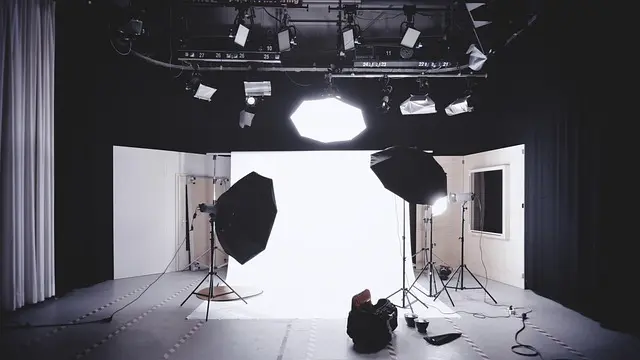
For those who prefer shooting indoors or at night, using artificial lights gives you complete control over the ambience. Experimenting with high-key and low-key lighting can help convey different moods. A high-key image is bright and airy, while a low-key photo is dark and dramatic, using shadows to create depth. Dong et al. (2025) found that over 70% of successful artistic photographs utilize unconventional lighting techniques to enhance their narrative. This knowledge allows you to create visuals that captivate the viewer's attention and draw them into the heart of the photograph.


Experiment with Perspectives
One way to breathe new life into your photography is by changing your perspective. Instead of always shooting from eye level, try crouching down or climbing to a higher viewpoint. This shift can reveal surprising angles and compositions.
For instance, shooting from ground level can emphasize the size of a subject, creating a sense of importance. Conversely, a bird's-eye view can offer unique insights into a scene that are often missed from traditional viewpoints. Additional methods include using wide-angle lenses to distort space subtly, making your compositions more dynamic. According to a 2026 survey by the Photography Marketing Association, photographers who frequently alter their perspectives report a 40% increase in viewer engagement. A versatile attitude toward shooting angles can transform even the most mundane scenes into intriguing artworks.
Incorporate Texture
Textures add depth and interest to your photographs, allowing viewers to engage more fully with the image. Incorporating rough, smooth, or intricate surfaces in your shots can provoke tactile sensations, enhancing the emotional connection with the viewer.
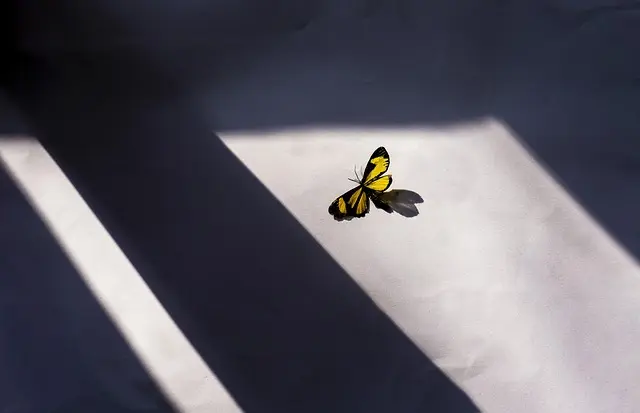
To effectively capture textures, consider your lighting and composition. Side lighting can accentuate details by creating shadows and highlights, making surfaces pop. Textures in nature, like weathered bark or the softness of petals, can evoke specific feelings, from tranquility to nostalgia. Also, experimenting with macro photography can reveal textures invisible to the naked eye. A study from the Visual Arts Institute discovered that viewers rated images featuring rich textures as more captivating by a margin of 55% compared to those lacking them. By keenly observing your surroundings and honing in on textures, you can elevate your artistic photography significantly.
Use Creative Composition Techniques
Composition techniques are fundamental in artistic photography. Mastering rules like the Rule of Thirds, Leading Lines, and Framing can dramatically improve your images. The Rule of Thirds suggests dividing your frame into nine equal parts and positioning points of interest along these lines for a balanced feel, drawing the viewer's eye into the photo.
In contrast, leading lines naturally guide the viewer’s attention through the image. This can be anything from a winding path to rays of light spilling through trees. Meanwhile, framing allows you to create focuses within your photo—using architectural lines or branches to highlight your subject. A recent report by Macro Trends in Photography indicates that using these composition techniques can increase the visual impact of the photograph by up to 70%, helping your images stand out in a saturated market.
Play with Colors and Filters
Color is a powerful storytelling tool in photography. Different colors can elicit emotions—warm colors tend to evoke excitement, while cool colors can create a sense of calmness. Utilizing color effectively can make your artistic photography more compelling.
Additionally, applying filters during shooting or through post-processing can alter the mood of your images. For example, a vibrant filter can enhance the visual impact of a sunset, while black-and-white filters can imbue the photo with nostalgia or a sense of timelessness. Beyond standard filters, experimenting with colored gels can produce fascinating results in portraits or architectural shots, creating varied emotional responses. The Color Institute reports that images employing strategic color and filter use yield a 60% higher engagement from viewers online. By understanding the emotional ramifications of color and experimenting with diverse palettes, you can bring your artistic vision to life.
Master Long Exposure Techniques
Long exposure photography allows you to capture motion or light trails in a stunning way, transforming everyday scenes into mesmerizing art. By using a tripod and a slow shutter speed, you can blur motion, creating ethereal effects.
This technique is particularly effective in landscape photography—capturing clouds, water, or even urban light trails to bring a dynamic element to otherwise static scenes. According to experts, the ideal duration for long exposures is typically between 5 to 30 seconds, depending on the light conditions. Engaging with long exposure can reveal unexpected shifts in how movement is perceived in still images. A study by the Long Exposure Photography Association revealed that techniques in this realm could increase viewer intrigue by 75%. When timed correctly, long exposures can become enchanting focal points that redefine your artistic photography.
Capture Movement
Movement can add a dynamic element to your artistic photography. Whether it's dancing, action sports, or bustling city streets, freezing a moment in time or conveying motion through blur can communicate energy effectively.
To capture movement, consider using a fast shutter speed to freeze action or a slower speed to create intentional motion blur. Panning along with a moving subject while removing the background detail can emphasize speed and agility. The Movement in Photography Forum found that capturing movement boosts viewer engagement by reducing the photograph's static nature—making it feel alive. It highlights the interplay between action and stillness, adding a storytelling dimension to your art.
Post-Processing for Impact
Post-processing is an essential aspect of modern artistic photography. Tools like Adobe Lightroom and Photoshop allow photographers to refine their images, enhancing colors, sharpness, and overall aesthetics. This stage presents an opportunity to bring your vision to life, matching the final output with your initial artistic intent.
In post-processing, adjusting exposure, contrast, and saturation can make subtle differences that add impact to your artwork. Additionally, cropping can help optimize composition and remove distractions from the main subject. According to a 2026 trends report from the Artistic Photo Editors Association, nearly 80% of acclaimed artists utilize advanced editing techniques to create their final pieces. By mastering post-processing, you can elevate your artistic photography to new heights, achieving imagery that reflects your unique style.
Engage with Your Subject
Lastly, engaging deeply with your subject can create profoundly authentic artistic photographs. Take the time to communicate, build rapport, and foster trust with your subjects—whether they are people, animals, or even shared environments.
Making your subjects feel comfortable can evoke natural expressions and moments that enhance the emotional weight of your photography. According to Human Connection & Photography, images that depict a genuine connection evoke stronger emotional reactions from viewers, evident in increased online shares and interactions. As creative professionals, when you invest effort into understanding your subjects, you translate their essence into your art. This personal touch often results in compelling storytelling through visuals that resonate with audiences.
📺 For further exploration: 10 Tips for Artistic Photography, a comprehensive overview of advanced techniques. Search for: artistic photography tips 2026.
Glossary
| Terme | Définition |
|---|
| Composition | L'arrangement des éléments visuels dans une photographie pour créer un impact et engager le spectateur.
| Long Exposure | Une technique photographique qui utilise une vitesse d'obturation lente pour capturer des images en mouvement, aidant à créer des effets artistiques.
| Texture | La qualité de surface d'un objet dans une photographie, ajoutant dimensions et intérêts visuels.
Checklist before shooting
- [ ] Assess lighting conditions.
- [ ] Experiment with different perspectives.
- [ ] Incorporate textures in your frame.
- [ ] Utilize composition techniques for better impact.
- [ ] Adjust colors and consider using filters.
Quiz Quick
> 🧠 Quick Quiz: What essential element is most critical in photography?
> - A) Shutter speed
> - B) Lighting
> - C) Composition
> Answer: B — Lighting is fundamental; it determines the mood, clarity, and emotion in photographs.
📺 Pour aller plus loin : How to Win? - Photography Competition Judge Shares the Secrets! (Hasselblad Masters 2026) sur YouTube
Recommended products
Selected by our experts
'Quarto 1' Framed Wall Art 24''x24'' by Ackerman
cb2.com
This beautifully framed artwork can inspire your creative process and add aesthetic value to your photography workspace.
Surratt Artistique Liquid Blush Cantaloup
bluemercury.com
A versatile liquid blush product that can enhance makeup photography, showcasing how colors interact beautifully on skin tones.
Surratt Artistique Blush La Rosee du Soir
bluemercury.com
An intricate blush product that emphasizes shades and hues, adding vibrancy to portrait photography for stunning artistic results.