Table of Contents (15 sections)
Artistic photography blends creativity, emotion, and technical skill. It pushes the boundaries beyond simple documentation, encouraging photographers to express their unique vision. In an era where content creation is saturated with AI-generated imagery, developing a personal style is essential. This article explores ten creative techniques for capturing unique artistic images.
1. Use Unconventional Angles
Capturing images from unexpected perspectives can transform a mundane scene into a striking visual. For instance, shoot from a low angle to emphasize foreground subjects or create curvature in urban landscapes. Experimenting with height—taking photos from rooftops or very low to the ground—can provide fresh viewpoints that engage viewers and trigger curiosity. According to a survey by Adobe, diverse angles can captivate up to 63% of viewers more than traditional straight-on shots.
2. Play with Light and Shadow
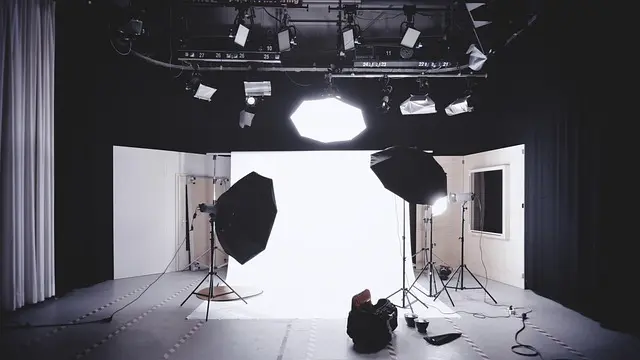
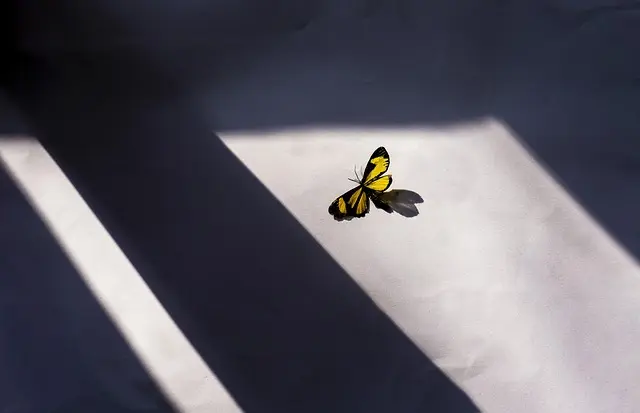
Lighting is a fundamental element in photography. Manipulating natural light can create depth and drama in your images. Consider shooting during the golden hours just after sunrise or before sunset when the light is soft and warm. You can also use strong contrasts—highlights and deep shadows—to create a moody atmosphere. A stark example is the dramatic scenes captured by Ansel Adams, who famously utilized shadow to enhance the emotional impact of his landscapes. Utilizing tools like reflectors or speedlights can help you control shadows when shooting in challenging lighting conditions.


3. Incorporate Movement
Photographing motion adds an exhilarating dynamic to your images. Techniques such as panning—following a moving subject with your camera—can create a sense of speed and energy. Alternatively, capturing long exposure shots while the subject moves can blur their presence, evoking a sense of fluidity and ethereality. According to National Geographic, utilizing fast shutter speeds can freeze action, while slow speeds can blur backgrounds, emphasizing the motion of your subject.
4. Experiment with Color Theory
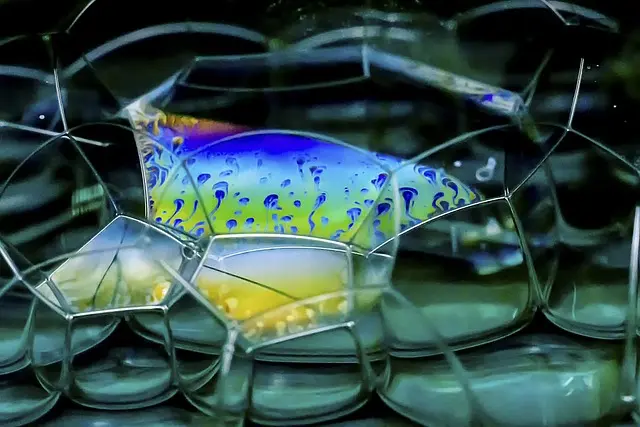
Understanding color theory can add vibrancy and emotional depth to your compositions. Color schemes like complementary, analogous, and monochromatic can evoke different moods. For instance, blues and greens might inspire tranquility, while reds and oranges can infuse energy. When composing your scene, consider how colors interact and create visual harmony. Color psychology indicates that effective color use can significantly impact viewer emotions, making this a powerful technique.
5. Utilize Textures and Patterns
Integrating textures and patterns can add an intriguing layer to photographic composition. Look for reflections in water, the texture of fabrics, or the geometry in architecture. For instance, capturing the intricate details of a cracked wall juxtaposed with smooth glass can create compelling contrasts. As stated by The Photography Institute, textures can draw viewers in, offering a multisensory engagement within a two-dimensional medium.
6. Embrace Minimalism
Simplicity is often underrated in photography. Minimalist compositions can have a profound impact on the viewer, accentuating the subject without unnecessary distractions. Use negative space thoughtfully to direct attention to essential elements. For example, a solitary tree against a vast sky can evoke feelings of solitude and stillness. The Art Institute of Chicago highlights how minimalist compositions often communicate complex themes succinctly.
7. Create Double Exposures
Double exposure photography can create surreal images blending multiple layers. This technique allows you to merge two photographs into one, often leading to striking visuals that provoke thought. For instance, combining a portrait with a landscape can convey a connection between the person and their environment. This technique requires a combination of creativity and technical proficiency, especially when merging images. Applications like Photoshop facilitate this process, allowing for detailed adjustments.
8. Incorporate Mixed Media
Incorporating mixed media can enhance your artistic photography. For example, start with a photograph and then layer textures or paint digitally to add a new dimension. This approach allows for more expressive storytelling and invites the viewer to experience art on different levels. The American Art Museum hosts works demonstrating how combining photography with painting results in meaningful artwork that resonates with diverse audiences.
9. Use Frame-Within-a-Frame Techniques
Framing your subject using surrounding elements can direct the viewer's focus effectively, guiding their eye to the main subject. This could involve using natural frames like branches, windows, or doorways. For example, shooting through a tree branch can create a captivating layer and depth within the image, enriching the narrative context. National Geographic often employs this technique in editorial photography to draw attention and enhance storytelling visually.
10. Tell a Story
Great photography tells a story or conveys an emotional message. Think critically about what you want to communicate before shooting. Seek to capture moments that evoke emotions or spark discussions. Consider the words of photographer Henri Cartier-Bresson, who stated that photography is about capturing decisive moments. Integrating narrative elements into your composition can make your images resonate on deeper levels, engaging your audience in a meaningful way.
📺 Resource Video
To explore photographic techniques further, consider watching Artistic Photography Techniques 2026 on YouTube. Find insights on crafting unique images and engaging storytelling. Search for: "creative photography techniques 2026".
Glossary
| Terme | Définition |
|---|---|
| Double Exposition | Une technique permettant de superposer deux images pour créer un effet artistique unique. |
| Panning | Technique de suivi d'un sujet en mouvement pour capturer une image nette avec un flou en arrière-plan. |
| Minimalisme | Style d'art qui se concentre sur l'essentiel, éliminant les éléments superflus dans la composition. |
Checklist avant achat
- [ ] Explorez des techniques d'angles non conventionnels
- [ ] Expérimentez avec la lumière et l'ombre
- [ ] Capturez des mouvements dynamiques
- [ ] Apprenez et appliquez la théorie des couleurs
- [ ] Ajoutez des textures et motifs à votre travail
- [ ] Intégrez le minimalisme dans vos compositions
- [ ] Pratiquez les expositions multiples
- [ ] Mélangez les médias pour enrichir votre art
- [ ] Usez de techniques de cadre à l'intérieur du cadre
- [ ] Racontez une histoire à travers vos images
Conclusion
Incorporating these ten techniques into your artistic photography can significantly influence your creative output. Each method provides opportunities for exploration and discovery of your unique style. Let your imagination run wild as you implement these concepts in your photographic journey!
📺 Pour aller plus loin : creative photography techniques 2026 sur YouTube
Recommended products
Selected by our experts
'Quarto 1' Framed Wall Art 24''x24'' by Ackerman
cb2.com
This framed wall art can provide inspiration for unique artistic photography by showcasing contrasts and color dynamics.
Surratt Artistique Liquid Blush Cantaloup
bluemercury.com
This liquid blush can inspire creative photography projects focused on fine art portraiture.
Surratt Artistique Blush La Rosee du Soir
bluemercury.com
Using this blush can enhance artistic beauty shots, reflecting a playful yet sophisticated style in your photography.