Table of Contents (17 sections)
Artistic photography has become a prominent form of expression in the digital age. It incorporates various techniques, styles, and concepts that allow photographers to showcase their unique perspective. This article will explore 10 essential techniques that can help you capture breathtaking artistic photos.
1. Embrace Natural Light
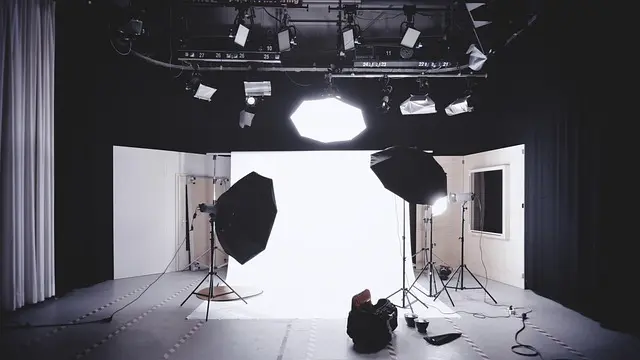
Natural light is one of the most powerful tools in a photographer's arsenal. It enhances textures, creates mood, and adds depth to your images. Golden hour, the period shortly after sunrise or before sunset, offers soft, diffused lighting that can transform an ordinary scene into a magical moment. Experimenting with shadows and highlights can also elevate your artistic expression.
2. Play with Composition
Composition is crucial in photography, influencing how the viewer perceives the frame. Techniques such as the Rule of Thirds, leading lines, and framing help you arrange elements within your shot to create a compelling narrative. The Rule of Thirds suggests dividing the frame into nine equal parts and positioning key elements along these lines to guide the viewer's eye.


3. Incorporate Movement
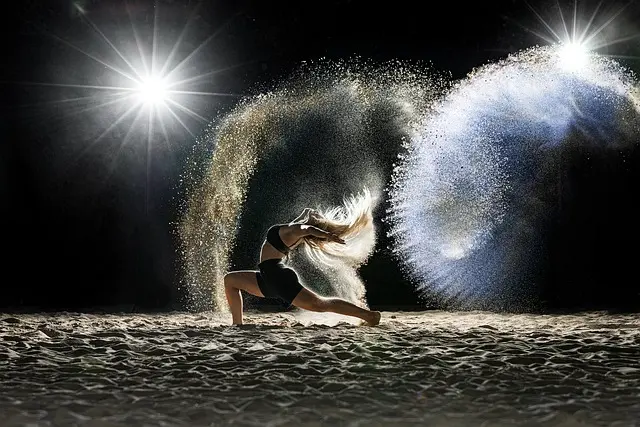
Incorporating movement into your photographs can impart a dynamic quality and evoke emotion. Techniques like panning, long exposure, and intentional camera motion can create a sense of action within your images. For instance, using a slow shutter speed to capture the motion of waves or dancers can yield captivating results, blending motion with art.
4. Explore Different Perspectives
One way to elevate your artistic photography is by changing your perspective. Shoot from high above or down low, or capture images from unusual angles. This approach can redefine familiar subjects, offering viewers a fresh perspective. Remember, sometimes the most unique shots come from a simple shift in vantage point.
5. Use Color Intentionally
Color plays an integral role in photography; it can convey warmth, mood, and emotion. Being intentional with your color palettes can enhance the story behind your images. For example, complementary colors can create vibrant contrasts, while monochromatic schemes can evoke a more subdued atmosphere. You can also manipulate colors in post-processing to match the emotion you wish to convey.
6. Master Depth of Field
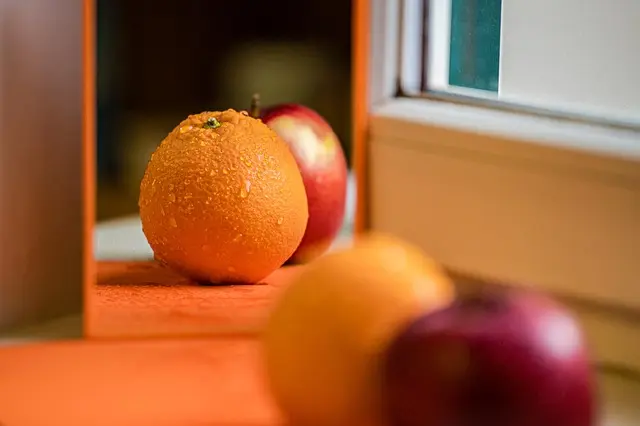
Understanding depth of field can significantly impact how your audience interacts with your images. By utilizing a shallow depth of field, you can draw attention to a specific subject while blurring the background. This technique creates a sense of isolation and focuses, ideal for portraits and nature photography. Conversely, a deep depth of field is essential for landscape photography to ensure that both the foreground and background remain sharp.
7. Experiment with Textures
Textures add dimension and interest to your photographs. Incorporating different materials, such as fabrics, stone, or nature elements, can increase the tactile sense of your images. Techniques like macro photography allow even the smallest details, like the texture of a flower petal or the grain of wood, to shine, engaging viewers on a sensory level.
8. Utilize Props for Storytelling
Props can enrich the story of your photographs by adding context and enhancing the meaning behind the image. Use everyday objects, fashion pieces, or art supplies to create conceptual photography that speaks to the viewer. This method encourages you to think critically about the narrative you want to convey through your work.
9. Post-Processing Techniques
Mastering post-processing skills is essential for artistic photographers. Tools like Adobe Lightroom and Photoshop allow you to fine-tune your images and unleash your creativity. Playing with contrast, exposure, colors, and cropping can dramatically change your photos, turning a good shot into a great one. Always keep a non-destructive workflow in mind, preserving original files as you refine your artistry.
10. Cultivate Your Unique Style
Ultimately, the most important aspect of artistic photography is finding and cultivating your unique style. Experiment with various techniques, genres, and themes to discover what resonates with you. Remember that artistic photography is deeply subjective; what matters is that your visuals reflect your personality and experiences.
📺 For more inspiration:
Discover how to utilize light in photography to elevate your work.
Comparison Table of Techniques
| Technique | Recommended For | Key Benefit | Level of Difficulty |
|---|---|---|---|
| Natural Light | All photographers | Enhances mood and detail | Easy |
| Composition | Beginners and advanced | Creates interesting frames | Medium |
| Incorporating Movement | Action photography | Adds dynamic quality | Medium |
| Perspective Change | Landscape and portraiture | Unique viewpoints | Easy |
| Color Manipulation | Conceptual photography | Enhances emotional impact | Medium |
| Depth of Field | Portraits and landscapes | Focuses attention | Medium |
| Texture Exploration | Macro photography | Engages sensory perception | Medium |
| Props and Storytelling | Conceptual projects | Strengthens narrative | Easy to Medium |
| Post-Processing | All levels | Refines final output | Varies |
| Unique Style | All photographers | Personal expression | Ongoing |
Glossary
| Term | Definition |
|---|---|
| Depth of Field | The range in a photograph that appears acceptably sharp. |
| Rule of Thirds | A composition rule dividing the frame into thirds, both horizontally and vertically. |
| Panning | A technique involving moving the camera with a moving subject, creating motion blur. |
Checklist for Artistic Photography
- [ ] Experiment with natural light during golden hour.
- [ ] Apply the Rule of Thirds to your compositions.
- [ ] Incorporate movement in your shots.
- [ ] Change your shooting perspective regularly.
- [ ] Choose color palettes consciously.
- [ ] Manipulate depth of field to isolate subjects.
- [ ] Include textures to enhance visual interest.
- [ ] Use props to tell stories through your images.
- [ ] Post-process images to elevate them.
- [ ] Develop and refine your unique photographic style.
Conclusion
Artistic photography offers an endless array of possibilities for creativity. By mastering these techniques, you can capture stunning images that reflect your distinct voice and vision. Keep practicing, experimenting, and exploring your creativity!
Frequently Asked Questions
- What is artistic photography?
Artistic photography is a form of visual art that uses photography as a means of expressing artistic ideas and emotions.
- How do I find my photography style?
Explore various techniques, themes, and genres to discover what resonates with you; keep practicing to develop your unique voice.
- What tools do I need for artistic photography?
A quality camera, understanding of lighting, and editing software are essential for artistic photography.
- Is post-processing important in artistic photography?
Yes, post-processing enhances your image and allows you to express your artistic intentions more clearly.
📺 Pour aller plus loin : 4 Tips for More Creative Still Life Photography sur YouTube
Recommended products
Selected by our experts
'Quarto 1' Framed Wall Art 24''x24'' by Ackerman
cb2.com
This framed wall art can inspire your photography with its intricate design, serving as a reference for texture and composition.
Surratt Artistique Liquid Blush Cantaloup
bluemercury.com
This liquid blush can represent color theory in your photographs, showcasing how color can evoke emotion.
Surratt Artistique Blush La Rosee du Soir
bluemercury.com
The curated shades lend inspiration for capturing beautiful color palettes in your images.