Table of Contents (15 sections)
Artistic photography transcends mere representation. It embodies creativity, emotion, and personal expression, merging visual allure with the photographer's vision. This genre invites you to step beyond traditional boundaries and explore new perspectives. Whether you're a budding photographer or a seasoned pro looking to formulate fresh ideas, these tips will enrich your understanding of artistic photography and provide practical insights.
1. Understand the Basics of Composition
Mastering the fundamentals of composition is essential for any photographer aiming to create captivating images. The rule of thirds, for example, encourages photographers to position important elements along grid lines, guiding the viewer’s eye naturally across the scene. Additionally, experimenting with symmetry, leading lines, and framing will help develop your ability to create a balanced yet dynamic shot. Consider the famous photographer Ansel Adams, who utilized strong compositional techniques to enhance the drama in his landscapes.
2. Experiment with Light
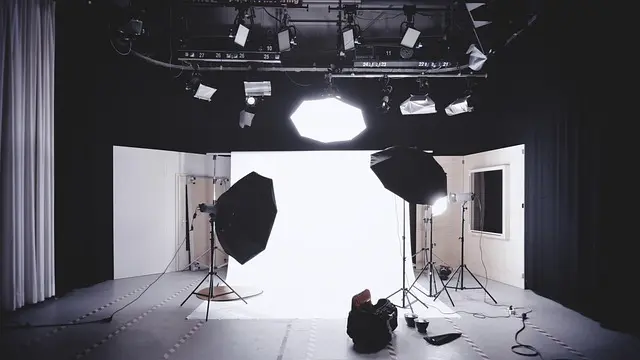
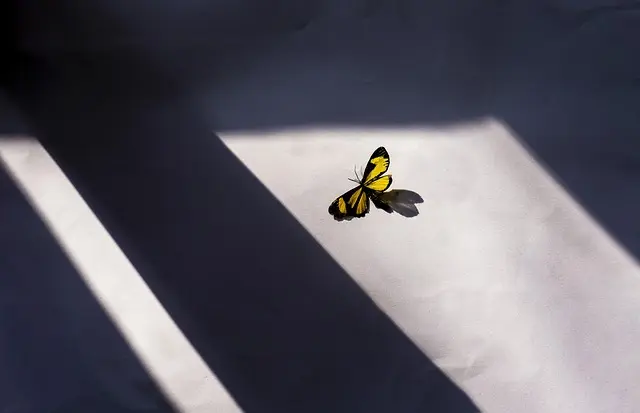
Light is the primary element in photography that can dramatically alter your image. Understanding natural versus artificial light is key. For instance, shooting during the golden hour—the hour after sunrise or before sunset—provides a soft and warm glow, enhancing the mood of your photographs. Additionally, learning how to manipulate shadows and highlights can bring depth to your images. As you experiment, remember that different lighting conditions can evoke various emotions in your art.


3. Find Your Unique Style
Every artist has a signature style, and photography is no different. Take the time to explore various genres—macro, portrait, abstract—and identify what resonates with you. Look to influential artists for inspiration but strive to incorporate your visual interpretation. Remember, David LaChapelle blends surrealism with vibrant colors, creating a distinctive artistic voice that stands out. Establishing a unique style not only enhances your portfolio but also helps define your artistic identity.
4. Utilize Post-Processing Techniques
Post-processing is an integral part of modern photography, allowing artists to refine their visions. Tools like Adobe Lightroom and Photoshop enable you to adjust elements such as contrast, saturation, and sharpness, further drawing out the intended emotion of your image. However, it's essential to maintain a balance—too much editing can lead to loss of authenticity. Use post-processing to enhance rather than alter the essence of your photographs.
5. Focus on Emotion
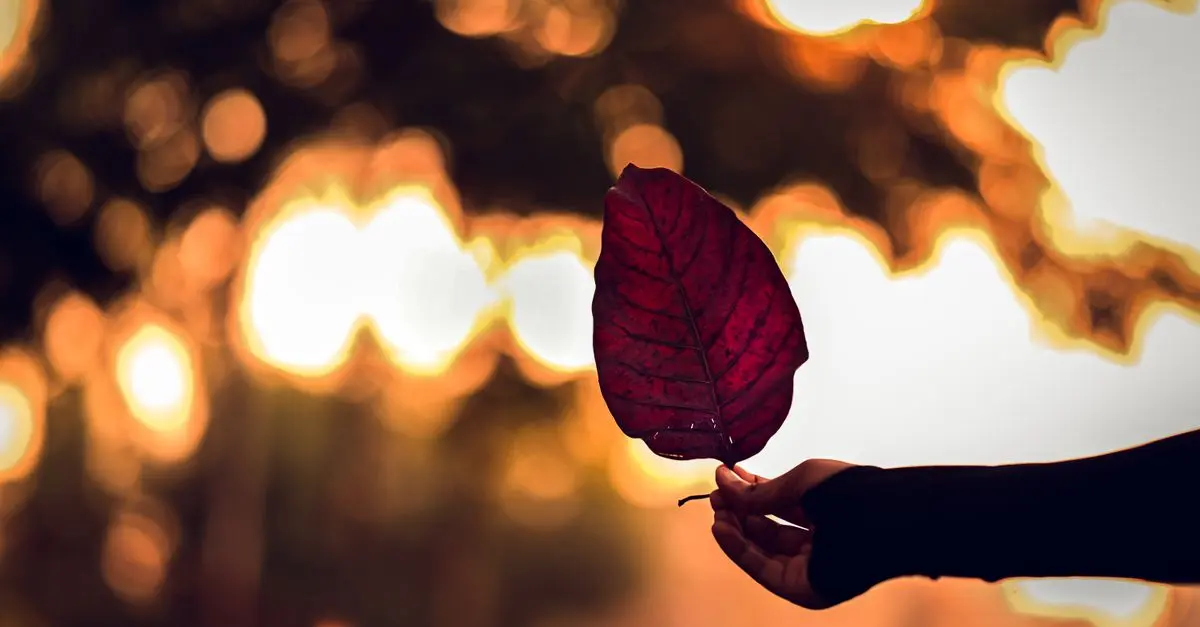
Artistic photography is about storytelling and emotion. Try to convey feelings through your imagery by capturing candid moments or staging scenes that provoke thought. For example, consider the works of Dorothea Lange, whose powerful portraits often depicted human suffering, profoundly impacting viewers. Think about the story you want to tell and frame your subject in a way that evokes emotion in the audience.
6. Incorporate Mixed Media
Expanding beyond traditional photography can enrich your artistic practice. Combining photos with other media—like painting, digital design, or sculpture—invites a sense of playfulness and innovation into your work. This can lead to striking, hybrid art forms that break conventional boundaries. Artists today, like Kara Walker, skillfully blend photographic elements with mixed media to challenge perceptions and invite critical engagement.
7. Understand Your Equipment
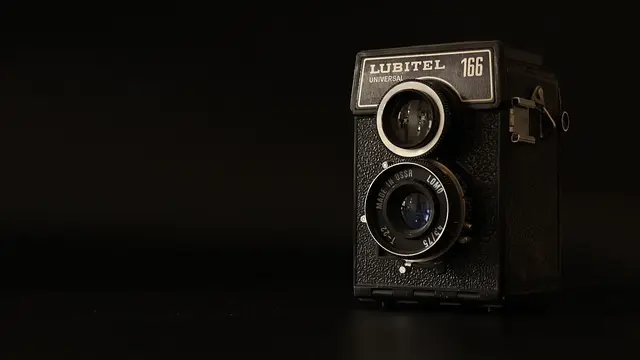
Familiarity with your camera and its settings is vital in artistic photography. Know how to adjust your aperture, shutter speed, and ISO to achieve the desired effects. For example, a wide aperture (low f-stop number) creates a shallow depth of field, isolating your subject beautifully. As you gain confidence and expertise with your tools, you’ll find it easier to experiment and create artistic images that resonate.
8. Join Photography Communities
Engaging with fellow photographers can ignite inspiration and provide constructive feedback. Online platforms like Instagram and dedicated photography forums can be valuable resources. Participating in local photography clubs or workshops also offers chances for collaborative projects and networking. Sharing experiences with others can foster creativity and open up new avenues for artistic expression.
9. Explore Different Perspectives
Change your viewpoint to create unique photographs. Instead of shooting from eye level, try crouching low or capturing images from high up. This simple shift can transform a mundane scene into something visually arresting. Galen Rowell, for instance, often climbed to unique vantage points for his breathtaking landscape photos, offering viewers unprecedented perspectives.
10. Keep Practicing and Be Patient
Artistic photography requires time and practice. Experiment regularly and allow yourself to make mistakes—each error is an opportunity for growth. Review your work frequently; see what resonates and what doesn’t, just as you would in any art form. Remember the investment of time and patience is crucial in developing your skill and artistic voice.
📺 Resource Video
> [10 Tips for Stunning Artistic Photography], a comprehensive guide on enhancing your photographic skills. Search on YouTube: artistic photography tips 2026.
Glossary
| Term | Definition |
|---|---|
| Aperture | The opening in a camera lens that controls the amount of light that enters. |
| Depth of Field | The range within a photo that appears acceptably sharp and in focus. |
| Post-Processing | The editing process that occurs after the photograph is taken to enhance the image. |
Checklist before capturing
- [ ] Understand the basics of composition
- [ ] Experiment with different lighting conditions
- [ ] Find and refine your unique style
- [ ] Incorporate post-processing techniques
- [ ] Focus on conveying emotion through photographs
- [ ] Explore mixed media possibilities
- [ ] Get to know your equipment thoroughly
- [ ] Engage with photography communities
- [ ] Experiment with different perspectives
- [ ] Practice regularly and be patient with your progress
Conclusion
Artistic photography is an exciting domain that invites you to explore, create, and connect emotionally through your images. By applying these ten tips, you can develop your artistic vision and elevate your photography to new heights. Embrace the learning process, and let your creativity flow.
Discover our curated selection of tools that can assist you on this creative journey below.
📺 Pour aller plus loin : How to Win? - Photography Competition Judge Shares the Secrets! (Hasselblad Masters 2026) sur YouTube
Recommended products
Selected by our experts
'Quarto 1' Framed Wall Art 24''x24'' by Ackerman
cb2.com
This framed wall art can serve as inspiration in your workspace, encouraging artistic creativity.
Surratt Artistique Liquid Blush Cantaloup
bluemercury.com
This liquid blush is perfect for adding a touch of color and vibrancy to portrait photography.
Surratt Artistique Blush La Rosee du Soir
bluemercury.com
Choose this blush shade to enhance natural glow, ideal for capturing lifelike expressions in your subjects.