Table of Contents (15 sections)
Artistic photography is an expressive art form that allows photographers to convey emotions, tell stories, and capture the essence of a moment. In a world saturated with generic images, developing a unique style through artistic photography can help you stand out. Whether you're a beginner or a seasoned photographer, mastering these techniques will not only enhance your skills but also enrich your creative expression.
1. Understand Your Equipment
Mastering artistic photography begins with understanding your camera and its settings. Whether you have a DSLR, a mirrorless camera, or even a smartphone, knowing how to manipulate settings like aperture, shutter speed, and ISO allows for greater creative control. For instance, using a wide aperture can create a beautiful bokeh effect, isolating subjects against a softly blurred background. Take time to explore your gear—experiment with different modes, settings, and lenses to understand how each impacts your images.
2. Embrace Natural Light
Natural light can dramatically impact the mood and quality of your photographs. Early mornings and late afternoons, known as the golden hours, provide soft, warm lighting that enhances colors and textures. Explore shooting during different times of day and in various weather conditions. A cloudy day can create a flat ambiance, perfect for moody compositions. Learn to recognize how light affects your subject and utilize it creatively.


3. Master Composition Techniques
Composition is crucial in artistic photography. Techniques like the Rule of Thirds, leading lines, and framing can elevate your images significantly. The Rule of Thirds involves dividing your frame into three equal parts, both horizontally and vertically, and placing points of interest along these lines or at their intersections. This technique guides the viewer’s eye and creates a more balanced image. Tableau comparatif des techniques de composition :
| Technique | Avantages | Inconvénients | Utilisation recommandée |
|---|---|---|---|
| Rule of Thirds | Équilibre visuel, intérêt accru | Parfois trop rigide | Paysages, portraits |
| Leading Lines | Guide l'œil, crée de la profondeur | Peut détourner l'attention | Architecture, paysages routiers |
| Framing | Ajoute de la profondeur et du contexte | Peut être compliqué à mettre en œuvre | Portraits, paysages |
5. Experiment with Long Exposures
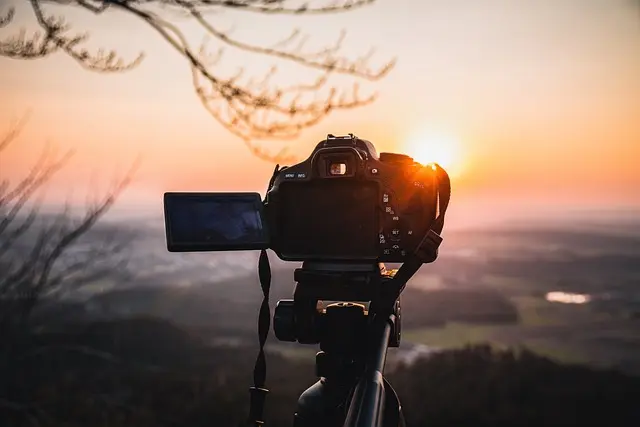
Long exposure photography can produce stunning effects, particularly in landscapes and urban environments. This technique captures motion, allowing elements like water or clouds to appear soft and ethereal. To achieve this, use a tripod to stabilize your camera, and consider using a neutral density filter to reduce the light entering the lens. This will help you maintain proper exposure in bright conditions while achieving the desired motion effects. Additionally, remember to set a slow shutter speed and practice patience as you experiment with this technique.
📺 For further exploration: The Art of Long Exposure Photography, a deep dive into techniques and tips. Search on YouTube: "long exposure photography techniques 2026".
6. Utilize Post-Processing Tools
Post-processing is an essential part of modern photography. Tools like Adobe Lightroom and Photoshop offer endless possibilities for enhancing your artistic vision. Don't shy away from editing; instead, view it as part of your creative process. Adjusting color balance, contrast, and cropping can enhance your composition and aligned with your artistic intent. Experiment with editing techniques to find a style that reflects your artistic voice.
7. Study the Works of Great Artists
Learning from the masters can provide invaluable insights into artistic photography. Study the works of renowned photographers such as Ansel Adams, known for his stunning landscapes, or Dorothea Lange, famous for her powerful documentary-style portraits. Analyze their use of light, composition, and storytelling techniques to develop an understanding of what makes their work captivating. Incorporate lessons from their methods into your practice to help refine your artistic approach.
8. Seek Feedback and Review Your Work
Constructive criticism is vital to growth in any art form. Share your work with fellow photographers or art communities and solicit their insights. Understand both positive and negative feedback; it can help you discover areas for improvement. Regularly review your work over time to track progress and identify recurring themes or styles that resonate with your identity as a photographer.
9. Find Your Unique Style
Developing a personal style can set your work apart in the crowded realm of artistic photography. Experiment with themes, subjects, and techniques until you find what resonates most. This might involve choosing specific subjects consistently or developing a signature post-processing style. Your unique vision can distinguish you from other artists, making your work recognizable and respected.
10. Practice, Practice, Practice
Finally, the most effective way to master artistic photography techniques is through consistent practice. Schedule regular photo walks, join photography groups, or participate in challenges that push you out of your comfort zone. The more you shoot, the more you learn about your strengths and weaknesses as a photographer. Remember, every great photographer started somewhere; don’t be discouraged by failures, as they often teach us the most crucial lessons.
Checklist before you shoot
- [ ] Familiarize yourself with your equipment settings
- [ ] Plan your shooting schedule to utilize natural light
- [ ] Experiment with composition techniques in various situations
- [ ] Review and edit your photos to understand post-processing
- [ ] Seek feedback from peers to enhance your skills
Glossary
| Terme | Définition |
|---|---|
| Bokeh | Effet visuel obtenu lors de l'utilisation de grandes ouvertures d'objectif, rendant l'arrière-plan flou. |
| Exposition | Mesure de la lumière qui atteint le capteur d'un appareil photo, déterminant la luminosité d'une image. |
| Composition | Manière dont les éléments visuels sont disposés dans une photographie, influençant l'attrait visuel global. |
> 🧠 Quiz rapide : Quelle technique de composition favorisez-vous pour vos œuvres?
> - A) Rule of Thirds
> - B) Leading Lines
> - C) Framing
> Réponse : A — La Rule of Thirds aide à équilibrer l'image et à capter l'intérêt du spectateur.
Recommended Products
- - - ---
📺 Pour aller plus loin : artistic photography techniques 2026 sur YouTube
Recommended products
Selected by our experts
'Quarto 1' Framed Wall Art 24''x24'' by Ackerman
cb2.com
This framed wall art can inspire your creativity with its contrast and original design, making it a perfect addition to your workspace.
Surratt Artistique Liquid Blush Cantaloup
bluemercury.com
This liquid blush provides long-lasting pigmentation, perfect for achieving a natural glow in portrait photography.
Surratt Artistique Blush La Rosee du Soir
bluemercury.com
These blushes add a radiant touch to your subjects, enhancing the visual storytelling in your artistic compositions.