Table of Contents (9 sections)
Artistic photography transcends mere picture-taking; it embraces the vision of the artist to convey emotions and stories through imagery. Artistic photography encompasses various styles and techniques that allow photographers to express their unique perspectives. From surreal compositions to abstract forms, the core is to intertwine creativity and technique to leave a lasting impact on the viewer. This article explores several fundamental aspects of artistic photography, including its definition, procedural methods, and comparisons of various styles, as well as an analytics segment that highlights the current trends in the genre.
What is Artistic Photography?
Artistic photography is defined as the practice of creating photographs that are conceived as art rather than as a documentary record. According to Wikipedia, this genre aims to focus more on the photographer's vision and less on the visual representation of reality. Artistic photography can take many forms, including portraits, landscapes, and abstract works, and often includes imaginative manipulation of photographic elements like light, color, and composition.
The importance of this genre lies in its ability to evoke emotions and convey messages in ways that traditional photography may not. It challenges the traditional paradigms of beauty and encourages viewers to interpret images subjectively based on their emotional responses. A renowned photographer, Ansel Adams, emphasized the significance of visualization in photography, stating, “You don't take a photograph, you make it.” This perspective captures the essence of artistic photography where vision and execution blend into a singular creative identity.
How to Create Artistic Photographs: A Step-by-Step Guide
Creating compelling artistic photographs begins with understanding your subject matter and the emotions you wish to evoke. Here’s a step-by-step guide to help you start:
- Define Your Vision: Ask yourself what story or emotion you want to convey through your photography. This will guide your decisions in composition and techniques.
- Choose a Subject: Select a subject that resonates with your vision. This could be a person, a landscape, or even an abstract concept.
- Experiment with Composition: Utilize the rule of thirds, leading lines, and framing techniques to create a compelling composition. Don’t be afraid to break traditional rules if it serves your artistic vision.
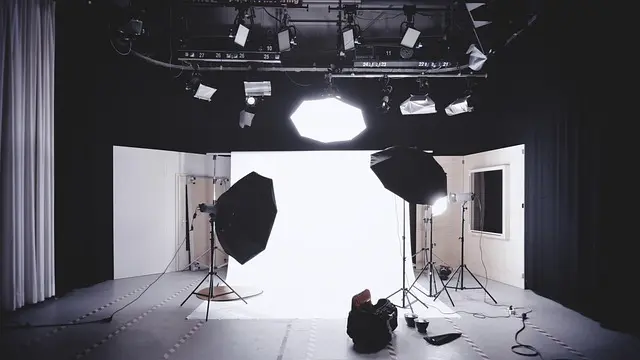
- Manipulate Light: The quality of light can dramatically affect your photograph’s mood. Experiment with natural light during different times of the day or use artificial lights to achieve desired effects.
- Post-Processing: Utilize editing software to enhance your images further. Adjust color tones, contrast, and saturation to align the final result with your original vision.
By embracing this process, you can start to appreciate the nuances of artistic photography. The liberation of experimentation will allow you to discover styles that resonate most with you.


Comparison of Artistic Photography Styles
Artistic photography is not limited to one style; it encompasses various movements and techniques that reflect the creativity of photographers. Below is a comparative analysis of four popular artistic photography styles:
| Style | Description | Strengths | Weaknesses |
|---|---|---|---|
| Abstract Photography | Focuses on shapes, colors, and forms rather than recognizable subjects. | Provokes thought and interpretation. | Can be misunderstood by the audience. |
| Surreal Photography | Combines elements of reality and dreams to create bizarre images. | Innovative and imaginative. | May confuse the viewer. |
| Fine Art Photography | Created according to the artist's vision and intended to be appreciated as art. | High artistic value and personal expression. | Requires a strong conceptual basis. |
| Portrait Photography | Captures the character and mood of a person or group. | Emotional connection with the subject. | Limited to the subject's personality and expressions. |
Current Trends in Artistic Photography
The photographic landscape has evolved tremendously over recent years. According to insights from Les Numériques in 2026, several trends have emerged that dominate the artistic photography scene. These include:
- Emphasis on Sustainability: Photographers are increasingly focusing on eco-friendly practices, such as using sustainable materials for prints and promoting nature through their work.
- Digital Manipulation: With advancements in photo-editing software, digital manipulation is being embraced as an art form itself, allowing artists to create images that defy reality.
- Integration of Mixed Media: Artistic photography often incorporates elements of painting, drawing, or collage to produce hybrid works that blur the boundaries between different artistic disciplines.
- Community and Collaboration: Many artists are now collaborating with other creatives, broadening the scope of their work and enhancing their popularity through shared audiences.
These trends indicate a dynamic shift towards a more emotional and socially responsible approach to photography, urging artists to rethink their methods and audiences.
Expert Opinions on Artistic Photography
> 💡 Expert Opinion: According to renowned artist Ted Forbes, “The best photographic works transport us to a new emotional space, challenging our perceptions of reality.” This statement aligns with the heart of artistic photography's mission, firmly establishing it as a distinct and powerful medium for expression.
For budding photographers, it is crucial to engage actively with these evolving practices and explore their possibilities. By stepping outside of conventional norms, artists can push the boundaries of what artistic photography can achieve.
Checklist before Starting Your Artistic Photography Journey
- [ ] Define your artistic vision.
- [ ] Select your preferred style of photography.
- [ ] Experiment with different compositions and lighting.
- [ ] Consider incorporating post-processing techniques.
- [ ] Stay updated on current trends and utilize them creatively.
Glossary
| Term | Definition |
|---|---|
| Surrealism | An artistic movement that seeks to resolve the previously contradictory conditions of dream and reality. |
| Composition | The arrangement of visual elements in a photograph to create a harmonious and appealing image. |
| Post-Processing | The process of editing a photographic image after it has been captured, using software to enhance it. |
📺 Resource Video
> 📺 For further exploration: Insights into Artistic Photography, a deep dive into techniques and creative practices to inspire your photography. Search on YouTube: artistic photography techniques 2026.
Engaging with artistic photography is an ongoing journey of imagination, creativity, and expression. Discover new products tailored for photographers to enhance their craft. Whether you're just starting out or looking to deepen your expertise, these tools can assist you in reaching your creative goals!
📺 Pour aller plus loin : artistic photography techniques 2026 sur YouTube
Recommended products
Selected by our experts
'Quarto 1' Framed Wall Art 24''x24'' by Ackerman
cb2.com
This framed wall art makes a striking addition to any artist's studio, providing inspiration through its vibrant colors and contrasts.
Surratt Artistique Liquid Blush Cantaloup
bluemercury.com
Ideal for capturing that perfect flush, this liquid blush is perfect for portrait photographers looking to enhance their subjects' features.
Surratt Artistique Blush La Rosee du Soir
bluemercury.com
This blush can help photographers in portraiture to create a healthy, natural glow, adding to the artistic quality of their images.