Table of Contents (9 sections)
Artistic photography captures the essence of visual storytelling through the interplay of light, composition, and importantly, color. Understanding color theory is essential for photographers who wish to convey emotions, set moods, and guide viewers' eyes within their images. In this article, we will explore the foundations of color theory, its practical applications in photography, the psychological effects of color, and the tools and techniques that can enhance your artistic photography skills.
What is Color Theory?
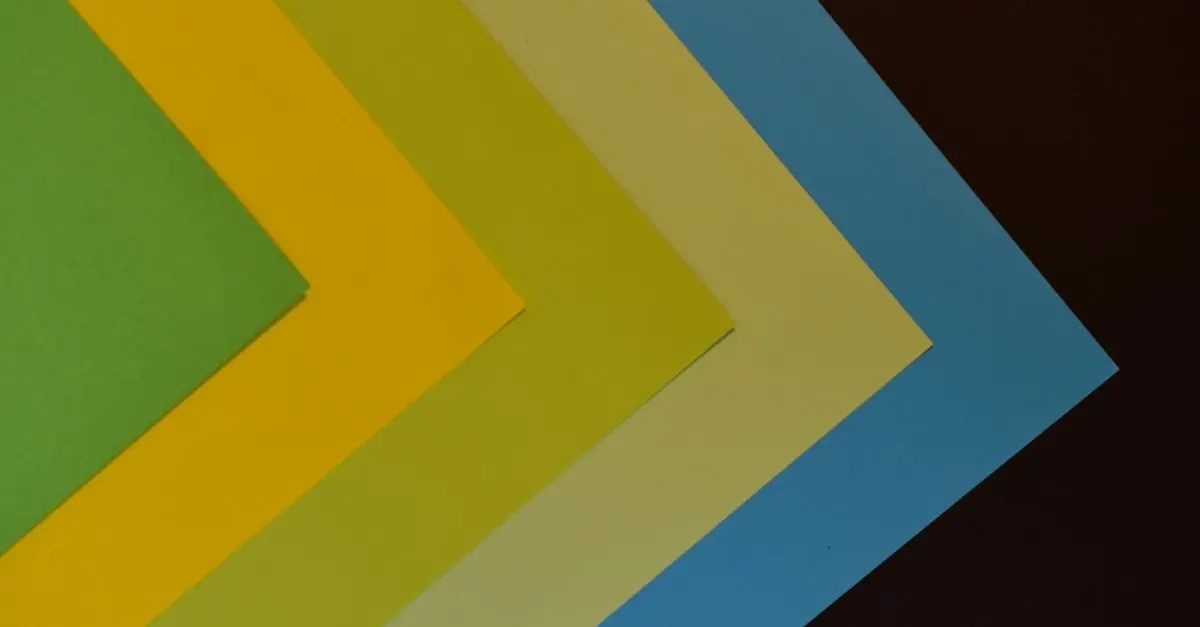
Color theory is a systematic framework that explains how colors produce feelings and how they can be combined effectively. It encompasses the science and art of color mixing, as well as the visual effects of specific color combinations. The color wheel, developed by Isaac Newton, is a foundational tool in color theory, displaying primary, secondary, and tertiary colors arranged in a circular format. Primary colors—red, blue, and yellow—can be mixed to create secondary colors (green, orange, purple), and combining these further leads to tertiary colors.
Moreover, color theory emphasizes the significance of complementary colors—pairs that contrast each other, such as blue and orange. These colors, when placed next to one another, intensify each other’s presence, leading to more striking visual effects, especially in artistic photography.
Practical Advice: Photographers should not only be aware of the color wheel but also consider the contextual use of colors to express depth and contrast. Using a soft color palette can evoke tranquility and calm, while bolder and warmer colors can imply energy and urgency. Experimenting with various color combinations in your shooting locations can yield surprising insights and transform a standard photograph into a standout piece.
The Psychological Effect of Color in Photography
Colors can significantly influence people’s emotions and perceptions, making color a powerful tool in artistic photography. For instance, the color blue is often associated with feelings of calmness and serenity, while red can evoke excitement or passion. Psychological studies reveal that colors can elicit specific responses from viewers—yellow is often linked to happiness and optimism, while darker colors like black can represent sophistication but also bring feelings of sadness.
By understanding these associations, photographers can deliberately choose a color scheme to enhance the emotional impact of their work. For example, in portrait photography, employing warmer colors like reds and oranges can create a sense of intimacy and warmth, while cooler tones might suggest distance or detachment.
Technical Insight: According to the American Psychological Association, color can even affect viewers' behaviors; warmer colors may stimulate appetite, which is vital knowledge for food photography. On the other hand, cooler colors can create a sense of cleanliness, ideal for product photography. Thus, knowing your audience and the intended message of your photography can guide your color choices effectively.
Applying Color Theory in Artistic Photography
To effectively implement color theory in your artistic photography, consider the following steps:
- Choose Your Color Palette: Before starting a project, define a color palette. Use online tools like Adobe Color to create harmonious schemes or refer back to the color wheel.
- Take Advantage of Natural Light: The time of day dramatically alters color perception. Golden hour—shortly after sunrise or before sunset—creates warm, soft lighting that can enhance the colors in your photographs.
- Evaluate Your Subject: The choice of subject plays a crucial role in your color decisions. For instance, portraits might benefit from soft pastels, while landscape photography may thrive on vibrant colors to highlight nature’s beauty.
- Experiment with Editing: Post-processing software like Adobe Lightroom allows for fine-tuning colors to match your artistic vision. This includes increasing saturation or changing temperature to achieve various effects creatively.
Example Case: In the photo series by Sally Mann, her use of subdued colors contrasts strikingly with the subject matter, creating a haunting yet captivating narrative. Understanding and applying color theory helped elevate the emotional depth of her work, earning her a spot as one of the most iconic photographers.
Comparison of Color Schemes in Photography
Here’s a comparative look at different color schemes and their typical effects:
| Color Scheme | Description | Emotional Response | Best Used For |
|---|---|---|---|
| Monochromatic | Variations in one color | Calming, harmonious | Portraits, minimalistic designs |
| Analogous | Colors next to each other in the wheel | Peaceful, cohesive | Nature scenes, landscapes |
| Complementary | Opposite colors on the color wheel | Dynamic, vibrant | Energetic images, sports |
| Triadic | Three colors evenly spaced on the wheel | Balanced, vibrant | Creative and artistic shots |
💡 Expert Insight: As a professional photographer, I have found that the effective use of color can dictate the success of your images. By deliberately planning your color palette and understanding the psychological responses they invoke, photographers can create a powerful visual narrative that resonates with viewers.
Whether through dramatic contrasts or harmonious blends, color theory informs every aspect of my photography practice, reminding me constantly that how I use colors can profoundly influence my audience’s experience.
Q: How does color impact composition in photography?
A: Color can guide the viewer's attention, enhance depth, and create balance in composition by utilizing contrasts and harmonies effectively.
Q: What tools can help me understand color theory better?
A: Online color palette generators like Adobe Color, and traditional tools like color wheels, can assist in grasping color dynamics.
Q: Can I change the colors of a photograph after taking it?
A: Yes, photo editing software like Adobe Lightroom or Photoshop allows you to manipulate colors significantly after capturing an image.
Q: How important is color management in photography?
A: It’s crucial; inconsistent colors across devices can lead to misrepresentation of work. Using calibrated monitors and color profiles helps maintain color integrity.
Glossary
| Term | Definition |
|---|---|
| Color Wheel | A circular illustration of colors showing primary, secondary, and tertiary colors. |
| Complementary Colors | Colors located opposite each other on the color wheel that enhance each other’s visual presence. |
| Saturation | The intensity or purity of a color; high saturation means a brighter color while low saturation appears more muted. |
Checklist before shooting
- [ ] Select an appropriate color palette.
- [ ] Consider the psychological effects of each color.
- [ ] Evaluate natural lighting conditions at your shoot location.
- [ ] Experiment with diverse editing techniques to enhance colors.
- [ ] Stay aware of your audience and the intended emotional impact.
📺 For further exploration: An introduction to color theory in photography, a comprehensive video guide. Search on YouTube:
color theory and photography techniques.
In conclusion, incorporating color theory into your artistic photography can transform your work into a more powerful storytelling medium. By understanding and applying these concepts, you will enhance both the aesthetic and emotional impact of your photographs. Begin experimenting with your palette today, and watch as your creativity blossoms.
We invite you to discover our selection of products suitable for elevating your photography experience below.
📺 Pour aller plus loin : color theory and photography techniques sur YouTube
Recommended products
Selected by our experts

Docooler Sac à Dos Double Epaule Anti-Rayures Sac Etanche pour Appareil Photo DSLR, Caméra de Sport, Trépied et Accessoires de Photographie Noir
Darty FR
A portable camcorder can be essential for capturing dynamic shots with varying color palettes in artistic photography.

support de téléphone portable support vidéo bras articulé bras de support de bureau flexible pour la vidéographie de photographie plate en dire
Darty FR
This flexible phone support can help you stabilize your shots while experimenting with color and composition.

E27 220V 5500K 45W ampoule photographie vidéo lumière du jour lampe
Darty FR
A disposable camera allows you to capture spontaneous moments with a focus on colors without the need for complex setups.