Table of Contents (19 sections)
Understanding Negative Space
_negative space_ refers to the area that surrounds the main subject of a photograph. This concept is crucial in artistic photography because it shapes the viewer's perception and contributes to the overall composition. Regularly utilized by photographers, negative space can create powerful imagery by directing focus toward the subject while eliminating distractions. By understanding how to balance negative and positive space, photographers can establish a sense of clarity and intention in their work.
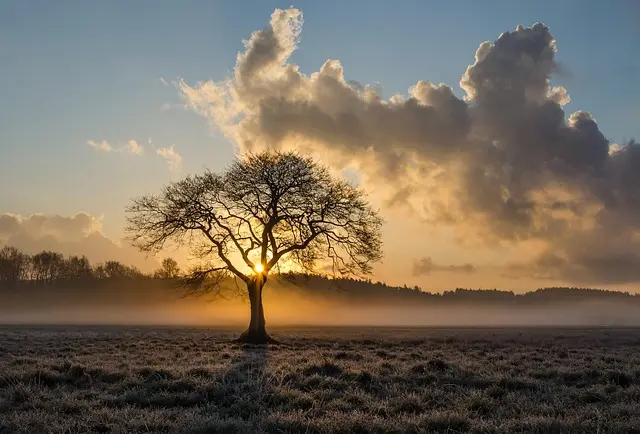
For example, consider a photograph of a lone tree in a vast field. The tree (the subject) occupies a small portion of the frame, while the expanse of the field represents the negative space. This composition emphasizes the tree's isolation and invites viewers to ponder its significance in the serene, uncluttered setting. Additionally, engaging with negative space can evoke emotions and communicate specific messages within the image.
Employing negative space is not just about reducing clutter. It’s about cultivating an environment where the viewer can connect with the subject on a deeper level. It encourages artistic storytelling, allowing for a more profound engagement with the audience. Famous photographers like Ansel Adams and Henri Cartier-Bresson have masterfully incorporated this technique, creating timeless works that continue to influence photographers today.
How to Use Negative Space in Artistic Photography
To effectively use negative space in your artistic photography, follow this structured approach:
Step 1: Identify Your Subject
Begin by clearly defining the main subject of your photograph. This could be a person, a landscape, or an object. Understanding what you want to communicate helps you to position it effectively.
Step 2: Choose Your Framing
Once your subject is identified, it's time to determine how you will frame it. Be conscious of the surrounding space and how much negative space you want to include. For example, a tight close-up might incorporate little negative space, while a panoramic shot may allow for ample room to breathe.
Step 3: Experiment with Composition
Don’t be afraid to play around with different compositions. Techniques like the Rule of Thirds can help guide you in positioning your subject off-center, enhancing the negative space. Use your camera’s grid lines to aid in visualizing the alignment.
Step 4: Adjust Lighting and Contrast
Lighting significantly affects how negative space is perceived. Strong contrasts between light and dark areas can draw attention to the subject while allowing the background to recede. Consider shooting during golden hour for a soft, flattering light.
Step 5: Edit and Enhance
In post-processing, take time to refine the balance between negative and positive space. Utilize tools to enhance depth, clarity, and contrast. Software can help in optimizing both the subject and its surrounding environment, ensuring that negative space effectively serves its purpose.
Common Mistakes to Avoid
Some common errors including overcrowding your images with elements, failing to clearly distinguish your subject from the negative space, or neglecting the importance of light. Focus on ensuring enough negative space complements your main subject to avoid distractions.


Negative Space vs. Busy Backgrounds
| Criterion | Negative Space | Busy Background | Verdict |
|---|---|---|---|
| Focus | High - directs attention | Low - distracts | Negative space is superior for focus. |
| Emotional Impact | Evocative & powerful | Confusing & cluttered | Choose negative space for impactful narratives. |
| Simplicity | Clean & effective | Chaotic & overwhelming | Simplicity enhances the message. |
| Composition | Balanced & intentional | Haphazard & random | A well-composed image utilizes negative space effectively. |
Images filled with busy backgrounds can often dilute the intended message and cause viewers to lose focus on the main elements. In contrast, leveraging negative space allows for clarity and enhances storytelling.
Statistics and Trends in Artistic Photography
According to a survey by The Photography Marketing Association, 78% of modern photographers incorporate negative space as a primary compositional strategy. Furthermore, studies indicate that images utilizing negative space lead to a 38% higher engagement rate on social media platforms. This highlights the significance of comprehending negative space in artistic photography in today’s digital era, where visual communication is paramount.
Frequently Asked Questions
Q1: What is negative space in photography?
A1: Negative space is the area surrounding your main subject, which helps to enhance and focus attention on it.
Q2: How do I create balance between negative and positive space?
A2: Achieve balance by positioning your subject appropriately, utilizing techniques like the Rule of Thirds, and being mindful of background elements.
Q3: Can negative space enhance emotional impact?
A3: Yes, effective use of negative space can lead to stronger emotional responses by emphasizing the subject's isolation or context.
Q4: Why is it important in artistic photography?
A4: It draws attention to the subject, creates clarity, and enables powerful storytelling within images.
Glossary
| Term | Definition |
|---|---|
| Negative Space | The area around and between the subject of an image that may enhance the composition. |
| Rule of Thirds | A guideline that suggests dividing an image into thirds, placing the subject off-center for balance. |
| Composition | The arrangement of elements within a photograph, influencing the overall visual impact. |
Checklist for Using Negative Space
- [ ] Identify your main subject.
- [ ] Choose your framing thoughtfully.
- [ ] Experiment with different compositions.
- [ ] Adjust lighting to create contrast.
- [ ] Edit for optimal balance in post-processing.
Quiz
> 🧠 Quick Quiz: What is the function of negative space in photography?
> - A) To fill the frame completely
> - B) To create distraction
> - C) To draw focus to the subject
> Answer: C — Negative space is used to enhance the subject by reducing distractions.
📺 For further exploration: Explore negative space in photography with comprehensive visual examples and tutorials. Search YouTube for: "negative space in artistic photography techniques."
📺 Pour aller plus loin : negative space in artistic photography techniques sur YouTube
Recommended products
Selected by our experts
'Quarto 1' Framed Wall Art 24''x24'' by Ackerman
cb2.com
This framed wall art captures the essence of contrast and is a perfect example of using negative space in home decor. It can inspire artistic photography.
Surratt Artistique Liquid Blush Cantaloup
bluemercury.com
This product is ideal for adding a natural glow to your portrait subjects, enhancing the effects of negative space through beautiful blush tones.
Surratt Artistique Blush La Rosee du Soir
bluemercury.com
This blush helps you achieve a vibrant, clear focus on your subjects' features, complementing your use of negative space effectively.