Table of Contents (20 sections)
Artistic photography is not just about capturing moments; it’s about creating a mood, telling a story, and evoking emotions. One of the most powerful tools in a photographer's arsenal is the use of light and shadow. These elements can dramatically alter the perception of photographs, adding depth, texture, and contrast. Understanding how to manipulate light and shadow can elevate your artistic photography to new heights.
Understanding Light and Shadow
What is Light in Photography?
Light is the foundation of photography. Without it, there would be no image. The intensity, quality, direction, and color of light can dramatically influence the outcome of a photo. In artistic photography, light is used creatively to enhance textures and highlight features that might otherwise go unnoticed. For example, soft diffused light can create a gentle atmosphere, while harsh direct light can emphasize sharp contrasts and shadows.
What are Shadows?
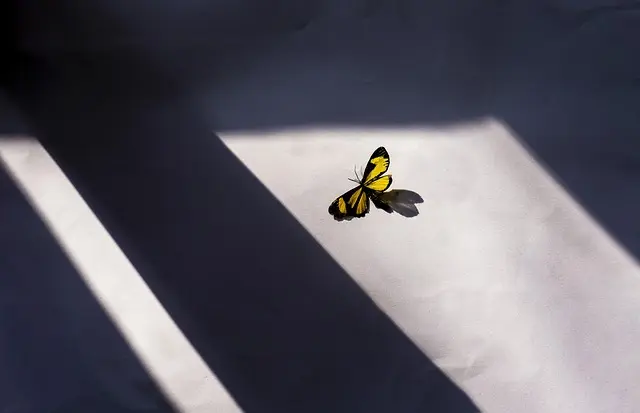
Shadows occur when an object blocks light. They add dimension and interest to images. A well-placed shadow can create a focal point or guide the viewer's eye through a composition. Shadows can also evoke feelings of mystery or drama, depending on how they are integrated into an image. For instance, portraits taken during the golden hour can take advantage of elongated shadows to create a sense of warmth and connection.
Step-by-Step Guide to Using Light and Shadow in Artistic Photography
Step 1: Analyze Your Environment
Before taking any photos, spend time evaluating the light conditions in your environment. Observe how natural light changes throughout the day, and note the different qualities of light. For example, early morning light is soft and warm, while midday sun can be harsh and create unflattering shadows. Take advantage of the golden hour—just after sunrise and before sunset—when the light is at its most magical.
Step 2: Choose the Right Equipment
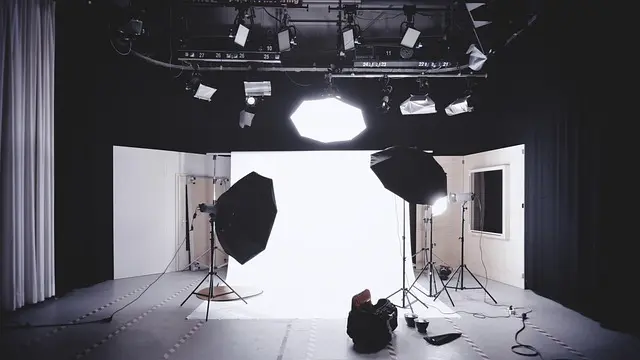
Select your camera and lens carefully. A camera with manual settings will give you the flexibility to control exposure, aperture, and ISO. A prime lens, such as a 50mm or 85mm, is excellent for portraits and captures beautiful background blur, enhancing the play of light and shadow. Additionally, consider bringing along reflectors or diffusers to manipulate light and soften harsh shadows.
Step 3: Master Exposure Settings
Understanding exposure settings is crucial for managing light and shadow in your photos. Adjusting the aperture (f-stop) will control how much light enters the camera. A wider aperture (lower f-number) allows more light, resulting in shallower depth of field and soft backgrounds, while a smaller aperture (higher f-number) brings more elements in focus. Experiment with shutter speed to capture motion or create intentional blur in areas of shadow.
Step 4: Experiment with Light Direction
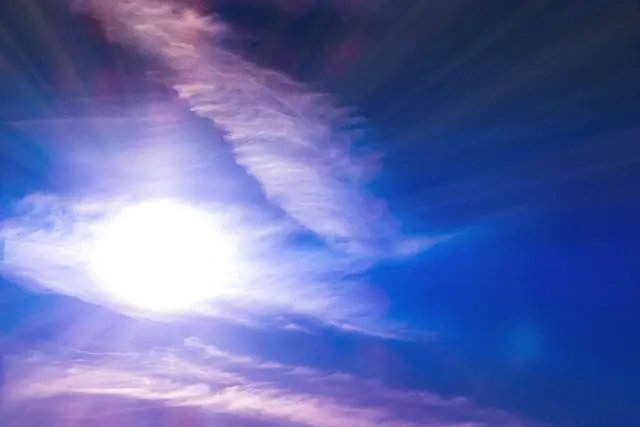
The direction of light affects shadows and can create various moods in your photography. Front lighting can minimize shadows but may lack depth, while sidelight creates strong contrasts and enhances textures. Backlighting can create stunning silhouettes and halos around subjects, while overhead light can create dramatic shadows that evoke emotion. Experiment with different angles to find the most compelling compositions.
Step 5: Use Shadows to Create Composition
Integrate shadows into your compositions thoughtfully. Shadows can create leading lines and shape the viewer’s perception of the image. For instance, converging lines formed by shadows can lead the eye towards the subject or create a three-dimensional feel. Always be conscious of how shadows fall and use them to enhance your story. Avoid cluttered backgrounds that can distract from your main subject and its shadow.


Comparing Light Techniques
| Technique | Description | Best Used For | Example |
|---|---|---|---|
| Soft Lighting | Creates diffused light for gentle shadows | Portraits, Still Life | Golden hour portraits |
| Hard Lighting | Creates pronounced shadows and strong contrast | Architectural, Street Photography | High-contrast black and white |
| Backlighting | Subject illuminated from behind | Silhouettes | Sunset profiles |
| Side Lighting | Light coming from the side, enhancing texture | Landscape, Textured Surfaces | Dramatic mountain scenes |
Embracing Post-Processing
Post-processing is integral in artistic photography. Utilize software like Adobe Lightroom or Photoshop to enhance your images further. Adjust exposure, contrast, and shadows to emphasize the dramatic effects you’ve captured in-camera. For instance, increasing shadow contrast can reveal hidden details or create a mood that resonates with your artistic vision. Always remember, less is often more; subtle adjustments can lead to striking results.
📺 Resource Video
> For an in-depth look at using light and shadow in your photos, check out videos discussing tips and techniques. Search on YouTube: "light shadow techniques in photography"
Checklist for Mastering Light and Shadow
- [ ] Observe natural light at different times of day.
- [ ] Choose the appropriate lens for your subject.
- [ ] Adjust exposure settings based on lighting conditions.
- [ ] Experiment with different light directions.
- [ ] Integrate shadows into your composition effectively.
What is the best time for outdoor photography?
The best time is during the golden hour, shortly after sunrise or before sunset, when the light is soft and warm.
How can I reduce harsh shadows in my photos?
You can use reflectors to bounce light back onto your subject or increase the distance between the light source and the subject to soften shadows.
What settings should I use in low light conditions?
Increase the ISO, open the aperture wide (use a lower f-stop), and consider slowing down the shutter speed to capture more light.
Can I use artificial light for artistic photography?
Absolutely! Off-camera flash and continuous lighting can create dramatic effects. Experiment with different angles to achieve various textures and shadows.
Glossary
| Term | Definition |
|---|---|
| Diffused Light | Light that is spread evenly, softening shadows. |
| Shadow Play | The dual effect of light and shadow in photography. |
| Golden Hour | The period shortly after sunrise and before sunset, characterized by warm, soft light. |
---
📺 Pour aller plus loin : light shadow techniques in photography sur YouTube
Recommended products
Selected by our experts
'Quarto 1' Framed Wall Art 24''x24'' by Ackerman
cb2.com
This framed wall art emphasizes the beauty of contrast, making it a perfect inspiration piece for photographers.
Surratt Artistique Liquid Blush Cantaloup
bluemercury.com
This liquid blush offers vibrant colors that can inspire the use of color and light in photography.
Surratt Artistique Blush La Rosee du Soir
bluemercury.com
A curated blush shade that emphasizes natural beauty, reminding photographers of the importance of subtle tones.