Table of Contents (10 sections)
Creating a captivating artistic photography portfolio is essential for every photographer looking to attract clients and showcase their unique perspective. This guide covers everything from choosing your theme to presenting your photos effectively.
Table of Contents
Understanding Artistic Photography
Artistic photography transcends traditional representations of reality to express emotions, ideas, and concepts. It often employs techniques such as manipulation, abstraction, and experimental methods. The purpose of artistic photography is not just to capture moments but to convey a deeper message or evoke feelings in the viewer. By identifying what makes your photographic style unique, you can create a portfolio that not only showcases your skills but also conveys your artistic vision.
Understanding the context and significance of artistic photography can enhance your approach. According to the American Photography Association, art that resonates is often born from the artist's personal experiences and perspectives. Engaging with various artistic movements can also provide inspiration and a broader context for your work.
Artistic photography includes multiple genres, such as portrait, landscape, abstract, and conceptual photography. For your portfolio, think about how you can blend different styles to showcase diversity while maintaining a consistent voice. This approach creates an intriguing narrative throughout your collection.
Step 1: Define Your Style
The first step in creating your artistic photography portfolio is determining your unique style. Ask yourself essential questions: What themes resonate with me? What techniques do I enjoy employing? Considering these aspects will help you delineate the essence of your artistic expression.
Engage in self-reflection or conduct an informal survey among peers. Gathering feedback can illuminate strengths and areas that need emphasis. For instance, if several photographers identify your use of color as striking, consider highlighting this skill prominently in your portfolio.
Once you have a clearer sense of your style, create a mood board. This visual collection can include colors, compositions, and inspirations that reflect what you aim to portray. Maintain this board as a reference throughout the portfolio-building process, ensuring your collection aligns with your artistic vision.


Step 2: Curate Your Best Work
After defining your style, it’s time to curate your collection. A good rule of thumb is to limit your portfolio to 20-30 images that best encapsulate your voice and abilities. Quality is far more important than quantity.
When selecting images, think critically about not only the technical execution (lighting, composition, etc.) but also the emotional and conceptual weight of each piece. Make sure each image contributes something unique to the ensemble. One way to evaluate your selections is to imagine how each image would reflect your brand if viewed by potential clients or galleries.
Additionally, explore showing a progression in your work, demonstrating your growth as an artist over time. For instance, if you started with traditional landscapes and eventually evolved into conceptual abstracts, displaying this journey can provide insight into your development as an artist.
Step 3: Design Layout and Presentation
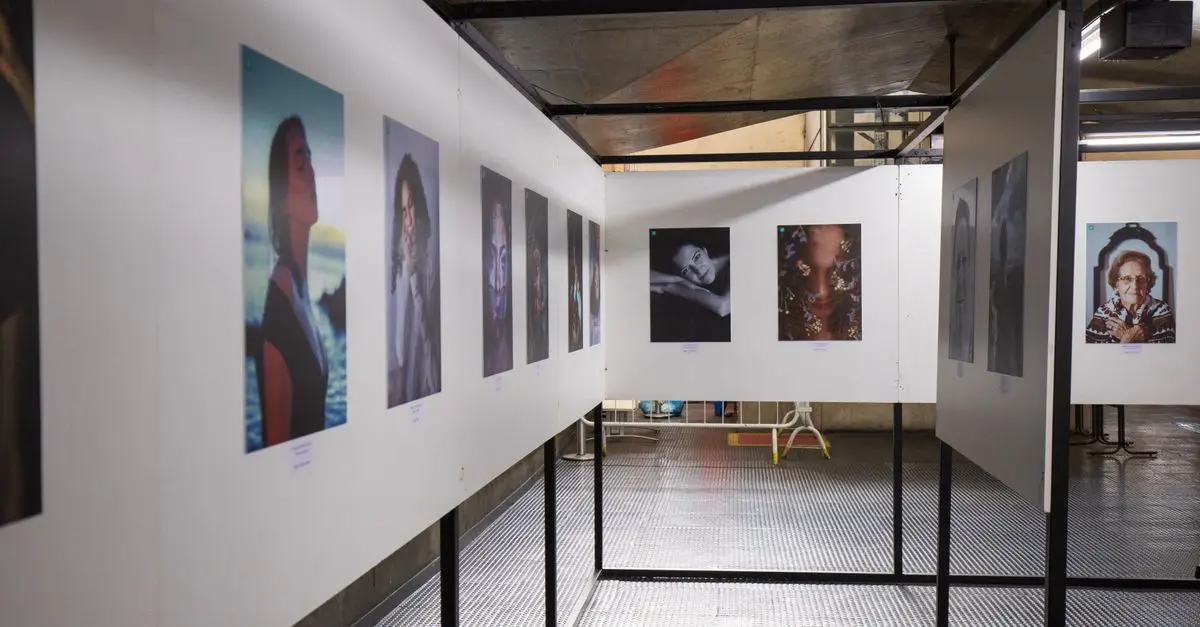
The layout and presentation of your portfolio are crucial for creating an engaging viewer experience. Whether you're designing a physical or digital portfolio, consider how your images relate to one another and how they will be perceived collectively.
Start with a cohesive theme or narrative that guides the viewer from one image to the next. For example, if your photographs center on the theme of solitude, grouping images that evoke this feeling can create a powerful statement. Also, use negative space effectively to let each image breathe and emphasize its importance.
For digital portfolios, explore using online platforms that allow for customizable layouts. Incorporate elements like image captions and brief descriptions to enhance the viewer's understanding without overwhelming them with too much text. Adobe Portfolio or Squarespace are excellent options for showcasing artistic portfolios digitally.
Step 4: Digital vs. Print Portfolio
In today’s digital age, the question often arises: should I create a digital portfolio, a print portfolio, or both? Each format has its merit. A digital portfolio is easily shareable and can reach a wider audience while allowing for dynamic presentation methods such as sliders and animations.
On the other hand, the tactile experience of a print portfolio can establish a more intimate and lasting impression. When presenting a physical portfolio, choose high-quality prints and professional binders. Consider the materials and textures as they can significantly affect the perception of your work.
Review both formats to see which aligns with your target audience or potential market. If showing at galleries or interviews, a print portfolio might leave a stronger impact. In contrast, a digital portfolio is ideal for quick sharing and online applications.
Step 5: Collect Feedback and Iterate
After putting your portfolio together, seeking constructive feedback is essential. Present your portfolio to trusted peers, mentors, or even critiques within photography communities. Gather both verbal and written feedback to facilitate honest assessments of your work, as different perspectives can highlight unseen weaknesses or strong points.
Take notes not only on what they say but also on their body language and engagement with your images. This feedback loop is crucial for refining your portfolio. Ensure you're open to critique, understanding that it’s part of the evolution process.
Use the feedback to make necessary adjustments, improving both the presentation and selection of images. Remember, the goal of your portfolio is to reflect you as an artist and to continually evolve.
Checklist for Portfolio Creation
- [ ] Define your photographic style and themes
- [ ] Curate your best 20-30 images
- [ ] Design layout for cohesive presentation
- [ ] Decide on digital, print, or both formats
- [ ] Seek feedback from peers and iterate
Glossary
| Terme | Définition |
|---|---|
| Mood Board | Un collage visuel utilisé pour exprimer des idées, couleurs et thèmes |
| Curate | Sélectionner et organiser des œuvres pour créer un ensemble artistique |
| Cohesion | L’unité d’une œuvre qui rend tous les éléments en harmonie |
> 🧠 Quiz rapide : What is the primary goal of an artistic photography portfolio?
> - A) To showcase technical skills
> - B) To reflect personal style
> - C) To impress clients
> Réponse : B — An artistic portfolio should convey the artist's vision and personal story.
📺 Pour aller plus loin: Creating a Stunning Artistic Portfolio, a comprehensive guide on portfolio building strategies. Search on YouTube:
building an artistic photography portfolio 2026.
📺 Pour aller plus loin : building an artistic photography portfolio 2026 sur YouTube
Recommended products
Selected by our experts
'Quarto 1' Framed Wall Art 24''x24'' by Ackerman
cb2.com
This framed wall art can inspire your portfolio aesthetics while showcasing professional presentation.
Surratt Artistique Liquid Blush Cantaloup
bluemercury.com
This liquid blush can be a great addition for portrait sessions, helping to enhance your subjects' features.
Surratt Artistique Blush La Rosee du Soir
bluemercury.com
This blush product can ensure your models look their best, which is crucial for artistic portraits.