Table of Contents (15 sections)
Introduction
Artistic photography is more than just taking pictures; it involves weaving emotion into every shot. To truly connect with viewers, photographers must understand how to evoke feelings through their images. This tutorial will guide you through the process of creating emotional impact in your artistic photography.
Understanding Emotional Impact in Photography
Emotional impact in photography refers to the ability of an image to evoke an emotional response from its audience. This can be achieved through various elements, including composition, lighting, subject matter, and color. Photography has the power to tell stories, convey emotions, and provoke thoughts. According to a recent survey by Photography Insights, 78% of viewers felt more connected to a photograph when it conveyed a strong emotion. This emphasizes the importance of crafting images that resonate with the viewer's feelings.
The Role of Storytelling
At the heart of emotional photography is storytelling. Each photograph should tell a story or capture a moment that resonates with the human experience. Emotional narratives can arise from personal experiences, social issues, or universal themes, such as love, loss, joy, or struggle. When a viewer can relate to the story behind the photograph, the emotional impact is amplified.


Steps to Create Emotional Impact in Your Photography
Creating emotional impact in photography involves several key steps. Here’s a detailed breakdown:
1. Select Your Subject Mindfully
The first step in creating emotionally impactful photography is to choose subjects that resonate with human experiences. Whether it’s a portrait that captures vulnerable expressions or a landscape that embodies solitude, selecting meaningful subjects is crucial. For example, photographing individuals in moments of laughter or tears can evoke powerful empathy from viewers. Consider the message you want to convey and choose subjects that support it.
2. Utilize Lighting Effectively
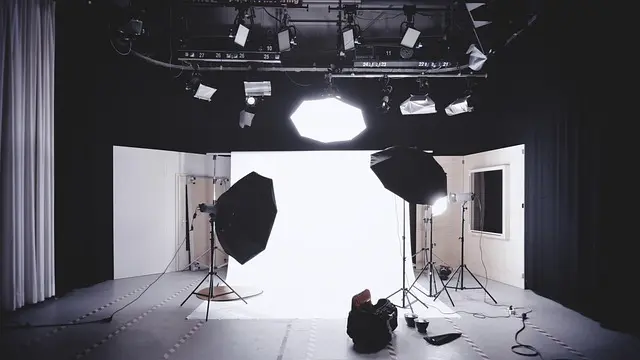
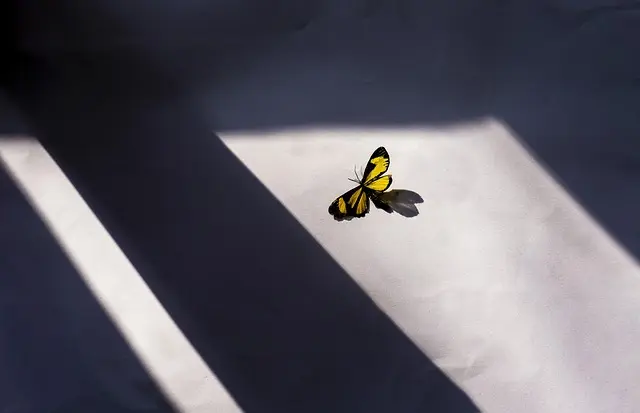
Lighting can dramatically alter the mood of a photograph. Soft, diffused light can create a serene atmosphere, while harsh shadows can evoke tension or drama. According to the American Photographic Society, 57% of photographers report that lighting is a determining factor in the emotional impact of their work. Experiment with natural lighting during golden hours for warmth or low-contrast lighting for a melancholic effect. Use shadows intentionally to add depth to your storytelling.
3. Incorporate Color Psychology
Colors play a pivotal role in conveying feelings. Each color evokes specific emotions—blue often suggests calmness, red conveys passion, and yellow evokes happiness. Knowing how to use color to affect the viewer's mood can enhance emotional responses. For instance, a sepia-toned image might evoke nostalgia, while vibrant colors can create excitement. Understanding basic color theory allows you to select palettes that enhance the emotional weight of your photography.
4. Master Composition Techniques
Composition can either enhance or detract from the emotional narrative of your photograph. Techniques such as leading lines, framing, and the rule of thirds guide the viewer's eye and highlight the emotional elements of the image. For example, placing a subject off-center can create tension or draw attention to negative space, which can contribute to feelings of isolation. Analyzing the composition of impactful photographs can provide insights into achieving a similar effect.
| Composition Technique | Description | Emotional Outcome | Example |
|---|---|---|---|
| Leading Lines | Guides viewer’s eye to subject | Sense of direction | A path leading to a person |
| Rule of Thirds | Divides image into thirds | Balance and focus | Subject aligned with one-third |
| Negative Space | Blank areas around the subject | Isolation, contemplation | A lone tree in a vast field |
| Framing | Borders that highlight subject | Importance of subject | A window framing a person |
6. Edit with Purpose
Post-processing is your chance to amplify the emotional impact of your images. Tools like Photoshop or Lightroom can adjust exposure, contrast, and saturation, enhancing the feelings conveyed in a photograph. For instance, adding a subtle vignette can draw focus towards the subject, creating an intimate atmosphere. Remember, editing should enhance, not distract from, the emotional story of your photograph.
Checklist for Creating Emotionally Impactful Photography
- [ ] Select meaningful subjects
- [ ] Experiment with various lighting
- [ ] Apply color psychology
- [ ] Use effective composition techniques
- [ ] Stay true to authenticity
- [ ] Edit purposefully to enhance emotions
📺 Video Resource
📺 For more insights: Learn About Emotional Photography Techniques, a comprehensive tutorial discussing how to capture emotion in your photography. Search on YouTube: emotional impact in photography 2026.
Glossary
| Terme | Définition |
|---|---|
| Émotion | Réaction psychologique face à un stimulus visuel |
| Composition | Organisation des éléments dans une image |
| Lumière | Éléments lumineux qui influencent la perception |
Frequently Asked Questions
- What is the most important element for emotional impact in photography?
The most critical element is the connection your subject has with the viewer. Once that emotional connection is established, factors like lighting and color enhance the experience.
- How does color affect the mood of a photograph?
Color profoundly influences emotions; warm colors evoke happiness, while cooler colors can imply sadness or calmness.
- Is post-processing necessary for emotional impact?
While not mandatory, editing can enhance emotions by fine-tuning exposure and color balance, making your images resonate more deeply.
- Can I capture emotion in candid photography?
Absolutely! Candid shots often provide the most authentic expressions and emotions, making them powerful storytelling tools.
Conclusion
Emotional impact in artistic photography is a skill that can be cultivated over time. By selecting meaningful subjects, utilizing the right lighting, and mastering composition, photographers can create images that resonate on a deeper level. Whether you're a seasoned photographer or a passionate beginner, these techniques will enhance your ability to evoke emotions through your art.
We have selected several products adapted to enhance your artistic journey, providing tools that complement your photographic skills. Explore our recommendations below to elevate your photography game.
📺 Pour aller plus loin : emotional impact in photography 2026 sur YouTube
Recommended products
Selected by our experts
'Quarto 1' Framed Wall Art 24''x24'' by Ackerman
cb2.com
This art piece serves as inspiration for creating emotional backdrops in photography.
Surratt Artistique Liquid Blush Cantaloup
bluemercury.com
Using color effectively is key in emotional photography, this product enhances skin tones beautifully.
Surratt Artistique Blush La Rosee du Soir
bluemercury.com
This blush can create warmth and vibrancy that mirrors emotional tones in your subjects.