Table of Contents (11 sections)
Artistic photography is a dynamic blend of creativity, technique, and visual storytelling. Central to this craft is the use of light, which can drastically alter the mood, tone, and overall impact of a photograph. Understanding how to leverage natural and artificial light sources can elevate your artistic expression and help you capture unforgettable images.
In this tutorial, we will explore the essential steps to utilize light effectively in your photography practice. Whether you're a beginner aiming to refine your skills or a seasoned artist looking to experiment with new techniques, this guide will provide valuable insights.
1. Understanding Different Types of Light
Light is a fundamental element in photography. To use it effectively, it's crucial to understand its various forms. Primarily, light can be categorized into two types: natural light and artificial light.
- Natural Light: This includes sunlight and moonlight. The quality of natural light changes throughout the day, offering a variety of moods. Early morning and late afternoon light, often referred to as 'golden hour', is particularly revered for its warm glow and soft shadows. According to a study by Les Numériques, photographers often find that natural light during these times enhances the depth and richness of colors in photographs.
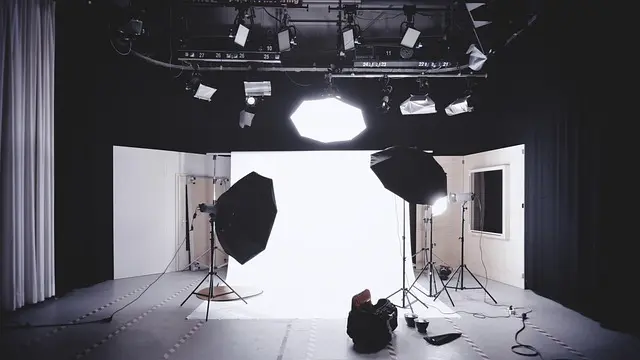
- Artificial Light: This encompasses any light sources that are man-made, such as flash units, LED lights, and studio lights. Understanding how to manipulate these sources allows for greater control over the lighting conditions in your artistic photography. Combining different types of lighting can lead to creative results and new perspectives.
2. Experimenting with Light Angles
The angle of light in relation to your subject can create dramatic effects. The way light interacts with your subjects will help define the composition of your photographs.
- Front Lighting: This is when light strikes your subject head-on. It tends to produce flat images as it illuminates every detail equally, but it’s excellent for capturing vibrant colors and textures without harsh shadows.
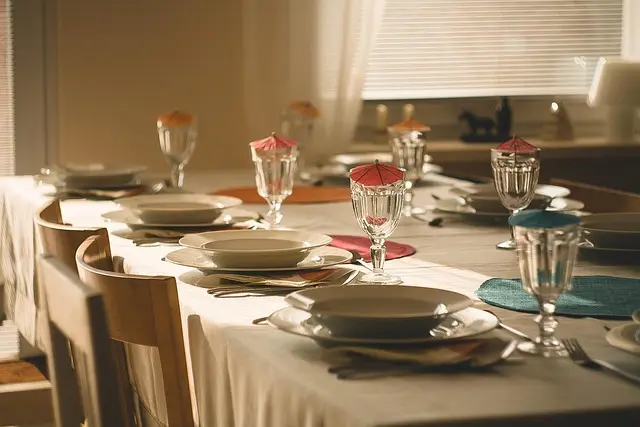
- Side Lighting: Here, light comes from the side of the subject, creating shadows and depth. This angle can bring out textures and details and is particularly useful in portraiture and still life photography.
- Back Lighting: This occurs when the light source is behind the subject. It can create silhouettes, emphasizing shapes and forms while reducing detail. Backlighting is also effective for capturing dramatic scenes, especially during sunrise or sunset.
- Top Lighting: Light coming from above can create unique shadows and highlights. It’s commonly used in fashion photography, emphasizing the contours of the subject. However, it can also lead to unflattering shadows if not managed properly.


3. Understanding the Exposure Triangle
To effectively control light in photography, you must familiarize yourself with the exposure triangle, which consists of aperture, shutter speed, and ISO. These three elements work together to determine a photograph's exposure.
- Aperture: This controls the amount of light entering the camera. A larger aperture (smaller f-number) allows more light, producing a shallow depth of field, perfect for portraits. Conversely, a smaller aperture (larger f-number) lets in less light, increasing depth of field, vital for landscapes.
- Shutter Speed: This determines how long the camera's sensor is exposed to light. A fast shutter speed freezes motion, ideal for capturing sports or wildlife, while a slower speed allows more light but can blur moving subjects, which can be artistically desirable in certain styles.
- ISO: This adjusts the camera’s sensitivity to light. A higher ISO is useful in low-light conditions but may introduce noise, which can affect the quality of your image. Balancing these three elements is essential for mastering light in photography.
4. Utilizing Light Modifiers
Light modifiers play a crucial role in controlling and shaping light during your photography sessions. They can enhance or diffuse light, allowing for more creative freedom.
- Reflectors: These devices bounce light towards your subject, filling in shadows and creating a more balanced exposure. They come in various materials and colors, each producing different effects.
- Diffusers: Used to soften harsh light, diffusers can create a more flattering look to your subjects. They are particularly beneficial during bright sunny days, where direct sunlight can cause unflattering shadows.
- Softboxes and Umbrellas: Common in studio photography, these tools help evenly distribute light and eliminate harsh shadows. They are particularly useful for portrait photography, ensuring a consistent and professional look.
5. Harnessing Natural Effects
Exploring natural light beyond the conventional provides an opportunity to create unique photographs. Techniques such as lens flares, shadows, and reflections can all add depth to your artistic photography.
- Lens Flares: Capturing sunlight or other light sources directly can create aesthetically pleasing flares, adding an ethereal quality to your images. However, moderation is key, as excessive flares can detract from the core subject.
- Shadows: Emphasizing the shadow can add an artistic flair to the composition. Experimenting with different times of day can yield rich textures and shapes that enhance the final image.
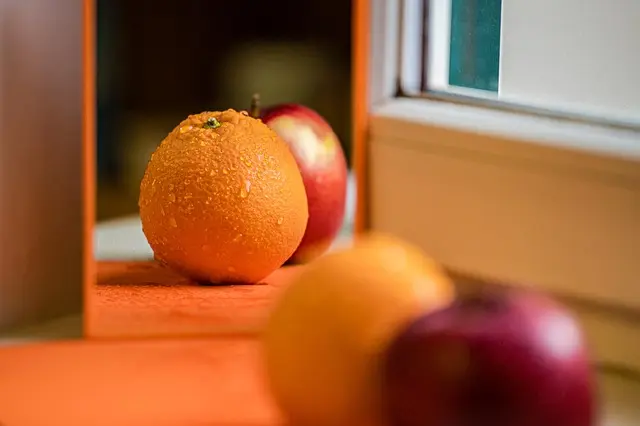
- Reflections: Utilizing water surfaces or glass can create dynamic compositions. They often juxtapose subjects in unexpected ways, enriching the narrative of the photograph.
6. Practice and Feedback
Finally, consistent practice enhances your proficiency and understanding of light dynamics in artistic photography. Seek feedback from peers, participate in workshops, and analyze your work to see how light can be improved in future projects.
Esteemed institutions cite that continuous learning is vital for a photographer's growth.
📺 Resource Video
> For further exploration of light in photography, check out our video on using light creatively. Search on YouTube: "using light in photography 2026".
Glossaire
| Terme | Définition |
|---|---|
| Aperture | L’ouverture du diaphragme de l’objectif qui contrôle la lumière entrant dans l’appareil photo. |
| ISO | La mesure de la sensibilité de votre capteur à la lumière. Un ISO plus élevé permet de photographier dans des conditions de faible éclairage. |
| Diffuser | Un accessoire qui éclaire équitablement la lumière, réduisant les ombres dures sur les sujets. |
Checklist avant achat
- [ ] Explore different types of natural light
- [ ] Experiment with various light angles
- [ ] Adjust the exposure triangle settings
- [ ] Test light modifiers like reflectors and diffusers
- [ ] Practice capturing shadows and reflections
Conclusion
By mastering the use of light in your artistic photography, you can transform ordinary scenes into captivating, impactful imagery. As you continue your journey in photography, remember that light is not just a tool, but an integral part of your creative expression. Explore, experiment, and let your artistry shine!
📺 Pour aller plus loin : using light in photography 2026 sur YouTube
Recommended products
Selected by our experts
'Quarto 1' Framed Wall Art 24''x24'' by Ackerman
cb2.com
This framed wall art piece is perfect for inspiration, showcasing the beauty of light through artistic design.
Surratt Artistique Liquid Blush Cantaloup
bluemercury.com
This liquid blush offers a wonderful palette for colorful photography projects, enhancing the artistic interplay of light and color.
Surratt Artistique Blush La Rosee du Soir
bluemercury.com
A great addition to your artistic setup, this blush can complement your photography themes, playing with color under different light settings.