Table of Contents (16 sections)
Artistic photography is not just about capturing beautiful images; it's about conveying emotion, telling stories, and sharing perspectives. A well-composed photograph can transform a mundane scene into a stunning piece of art. But what exactly is composition in photography, and why is it important? Let's dive into the world of artistic photography and explore the foundational principles that will help you create compelling images.
What is Composition in Photography?
Composition refers to how the elements within a photograph are arranged. It involves the placement of subjects, the use of space, light, and the overall flow of the image. Good composition helps direct the viewer’s eye and can evoke feelings and reactions. According to UFC-Que Choisir, composition is one of the critical elements that define artistic photos, impacting both the aesthetic quality and the storytelling aspect of an image.
Understanding the importance of composition can elevate your photography from simple snapshots to impactful artworks. A strong composition not only highlights the subject but also enhances the narrative you want to convey. Think of the great photographers like Ansel Adams and his iconic landscapes, where every element works in harmony to create a memorable visual statement.
Step 1: Learn the Basic Rules of Composition
Before you can break the rules of composition, you must learn them. Familiarize yourself with classic guidelines such as the Rule of Thirds, Leading Lines, and Framing. The Rule of Thirds suggests dividing the image into a 3x3 grid, placing your subject at one of the intersections. This tends to create a more balanced and engaging frame.
Leading Lines direct the viewer's gaze towards a specific point in your image. Roads, rivers, or architectural lines can guide the eye to the focal point. Framing uses elements within the scene (like windows or tree branches) to enclose and highlight the subject, adding depth and focus. While understanding these rules, remember that they are guidelines rather than strict laws.
Step 2: Experiment with Different Perspectives
Don't be afraid to change your viewpoint. Often, the most striking images come from unexpected angles. Try shooting from low or high perspectives, or even experiment with oblique angles. For instance, capturing urban scenes from a low angle can emphasize the grandeur of buildings, while a bird's eye view might provide a comprehensive scene of a bustling market.
Additionally, consider framing your shots with foreground subjects to add layers and depth to your images. This technique can create a sense of dimensionality, drawing the viewer’s eye into the picture and enhancing the artistic quality.
Step 3: Utilize Negative Space
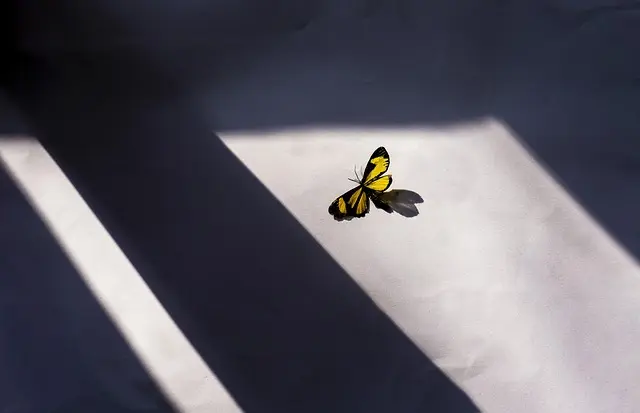
Negative space refers to the area that surrounds the main subject of your photograph. By incorporating ample negative space, you can significantly enhance the visual impact of your images. It allows the subject to breathe and emphasizes its importance. Less can indeed be more when it comes to composition. For example, a lone tree standing in a vast field can create a powerful message about solitude or isolation when composed with ample surrounding space. This technique is particularly effective in artistic photography where the mood and emotions of the image are crucial elements.
Step 4: Master the Use of Color and Light
Light and color can drastically alter the emotional tone of your artwork. Understanding how to manipulate light can help you create mood and texture. Experiment with different lighting conditions: golden hour (the hour after sunrise or before sunset) provides soft, warm light, while harsh midday sunlight can create strong shadows.
Color theory is also vital in composition. Complementary colors (those opposite each other on the color wheel) can make an image pop, while analogous colors (those next to each other) can create harmony and unity. Your selection of colors can evoke emotions, so think about the message you want to convey through your artistic photographs.
Step 5: Post-Processing Techniques
Post-processing is where you can enhance your artistic vision even further. Software like Adobe Lightroom and Photoshop allows you to adjust exposure, contrast, and color balance, bringing your artistic intent to life. Learn to use these tools effectively, as they are essential for modern photographers. Remember to keep a light touch; the goal should be to enhance the photograph rather than completely change it. Over-editing can lead to images that feel artificial rather than artistic.
Checklist for Effective Composition
- [ ] Understand the Rule of Thirds.
- [ ] Experiment with various viewpoints.
- [ ] Incorporate negative space in your images.
- [ ] Explore different lighting conditions.
- [ ] Utilize post-processing for enhancements.
Comparison of Composition Techniques
| Technique | Pros | Cons | Suitable For |
|---|---|---|---|
| Rule of Thirds | Balanced and engaging images | Can be limiting if overused | General photography |
| Leading Lines | Directs viewer attention effectively | May require specific positioning | Architectural and landscape |
| Framing | Adds depth and focus | Requires thoughtful placement | Portraits and nature |
| Negative Space | Highlights the subject well | Too much space can dilute focus | Minimalist photography |
Q: What is the best way to improve my composition skills?
A: Practice is key! Take your camera and experiment with different settings and techniques. Over time, you'll develop an eye for composition.
Q: Is it necessary to use a tripod for composition?
A: While it's not always necessary, a tripod can help with stability and precision, especially in low-light situations.
Q: How important are colors in composition?
A: Colors are crucial as they evoke emotions and direct attention. Understanding color theory can greatly enhance your compositional skills.
Q: Should I always follow composition rules?
A: While knowing and using composition rules can improve your photography, don’t hesitate to break them to create unique artwork.


Glossary
| Term | Definition |
|---|---|
| Rule of Thirds | A guideline that suggests dividing an image into nine equal parts for more balanced compositions. |
| Leading Lines | Lines within an image that lead the viewer's eye towards the focal point or subject. |
| Negative Space | The area surrounding the main subject, enhancing its prominence in the composition. |
📺 Resource Video
> 📺 For further insights: Mastering Composition in Artistic Photography, a detailed guide on effective composition techniques. Search on YouTube: artistic photography composition techniques 2026.
In the rapidly evolving world of photography, mastering composition is essential. By applying these techniques, you'll enhance your artistic skills and create images that resonate deeply with viewers. Don't hesitate to experiment and let your creativity shine!
Based on our experience, we have selected several products that can assist you in your photographic journey, enhancing both your gear and creativity. Check out our recommendations below.
📺 Pour aller plus loin : artistic photography composition techniques 2026 sur YouTube
Recommended products
Selected by our experts
'Quarto 1' Framed Wall Art 24''x24'' by Ackerman
cb2.com
This framed wall art can serve as a source of inspiration for your own compositions in photography.
Surratt Artistique Liquid Blush Cantaloup
bluemercury.com
A vibrant liquid blush in artistic shades that can help you capture colors effectively in your photography.
Surratt Artistique Blush La Rosee du Soir
bluemercury.com
This blush can inspire your color choices when considering the emotional tone of your photos.