Table of Contents (18 sections)
Artistic photography goes beyond mere snapshots; it’s about capturing the essence of a moment, an emotion, or a story. Central to this form of expression is the play of light and shadow. Understanding how to manipulate these elements can transform your photographs, creating depth and dimension that engages the viewer. In this article, we’ll explore various techniques for mastering light and shadow in your artistic photography.
The Importance of Light in Artistic Photography
Light is the foundation of photography. Without it, there are no images. The quality, direction, and intensity of light will dictate not only the exposure but also the mood of your photograph. Natural light can vary greatly depending on the time of day and weather conditions. For instance, the soft, diffused light during golden hour can evoke feelings of tranquility, while harsh midday sun tends to create stark contrasts and defined shadows.
Types of Light
There are several types of light that a photographer can use:
- Natural Light: Sunlight, which can be adjusted by the time of day and cloud cover.
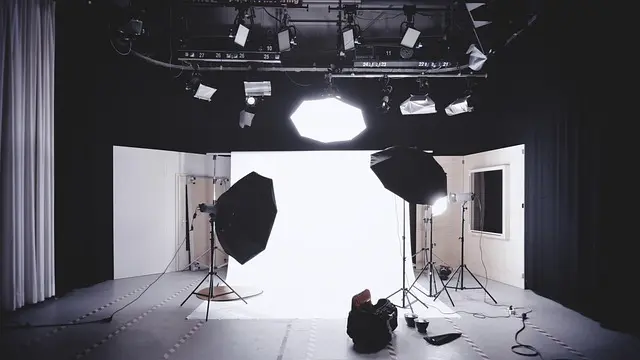
- Artificial Light: Flash, studio lights, or any manufactured light source.
- Reflective Light: Light that bounces off surfaces, adding interesting elements to your photographs.
How to Utilize Light
Understanding how to manipulate these varieties of light will greatly enhance your artistic photography. Experimenting with different light sources can provide varied results. For example, using a reflector can help fill in shadows on your subject's face, creating a more balanced exposure.
Understanding Shadows
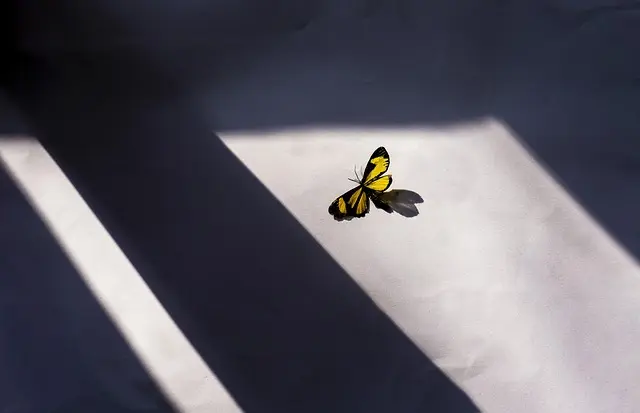
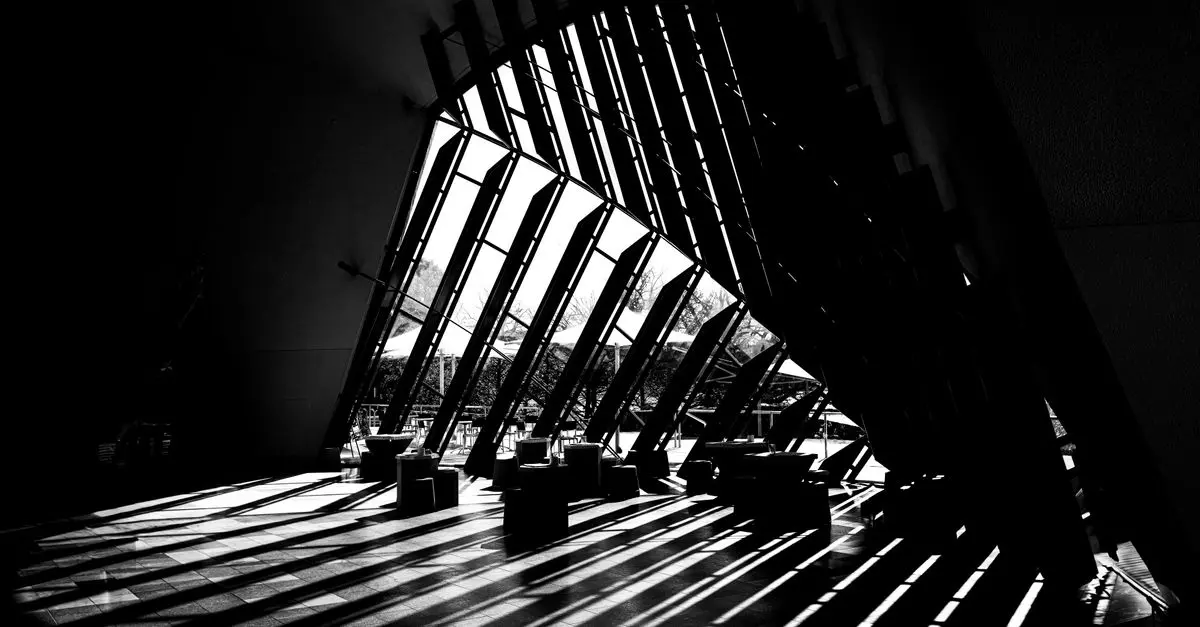
Shadows are just as important as light in photography, providing contrast and aiding depth perception. They can add drama or soften transitions between highlights in your images. Shadows can be soft and subtle or hard and defined, depending on the light source.
Creating Shadows
- Use Directional Light: Positioning your light source at an angle can enhance shadow definition.
- Control Your Environment: Look for surfaces and areas that will allow shadows to play off objects in interesting ways.
- Experiment with Light Modifiers: Diffusers, reflectors, or even colored gels can completely change how shadows fall in your images.


Tips for Mastering Light and Shadow
Step 1: Analyze Your Environment
Before taking any photographs, assess the light situation. Look at how light interacts with your subject and the surrounding environment. Pay attention to the time of day and adjust your shooting schedule based on how light changes.
Step 2: Control Your Camera Settings
Adjust your camera settings to accommodate the existing light conditions. Use manual mode to tweak your ISO, aperture, and shutter speed. A lower ISO will ensure better quality images in bright light, while a higher ISO can assist in low-light settings, albeit often at the cost of quality.
Step 3: Use Composition Techniques
Consider employing compositional techniques like the rule of thirds or leading lines. These can help guide the viewer's eye through the interplay of light and shadow in your photographs. Placing your subject with shadows in mind will create a more engaging image.
Step 4: Play with Exposure
Experiment with overexposing or underexposing your images to create sophisticated effects. Overexposing can wash out shadows but create a dreamy feel, while underexposing can make shadows deeper and more dramatic.
Step 5: Post-Processing
Use photo editing software to fine-tune your images. Adjusting the brightness and contrast can significantly enhance the relationship between light and shadow, making them more engaging. Tools like Adobe Lightroom or Photoshop offer numerous options for refining your photographs.
Comparisons of Light Sources
Here’s a quick comparison of light sources you can use in artistic photography:
| Light Type | Pros | Cons | Best Use |
|---|---|---|---|
| Natural Light | Soft, changes constantly | Hard to control | Outdoor, candid shots |
| Flash | Can freeze motion, works in low light | Can be harsh | Portraits, product photography |
| Studio Lights | Consistent, can create desired effects | Usually requires setup | Controlled environments |
| Reflective Light | Adds depth, can soften shadows | Requires a source to reflect | Portraits, dynamic scenes |
mastering light and shadow in artistic photography 2026.
Common Mistakes to Avoid
- Relying solely on automatic settings can limit creativity.
- Not paying attention to the background can lead to distraction from your subject.
- Forgetting to experiment; photography is about exploration!
Glossaire
| Terme | Définition |
|---|---|
| Exposition | La quantité de lumière qui atteint le capteur d'image. |
| Diffusion de la lumière | Le processus de répartir la lumière de manière égale. |
| Profondeur de champ | La portée de la mise au point nette dans une image. |
Checklist avant achat
- [ ] Analyze the lighting conditions in your environment.
- [ ] Experiment with different camera settings.
- [ ] Utilize composition techniques effectively.
- [ ] Adjust exposure settings for desired effects.
- [ ] Edit photos to enhance the interplay of light and shadow.
Quiz rapide
> 🧠 Quick Quiz: What is the most critical element in photography?
> - A) The background
> - B) Light
> - C) Subject
> Réponse : B — Light is essential for capturing any photograph.
Artistic photography is about more than recording an image; it's about expressing creativity and emotion. By mastering light and shadow, you can elevate your work to new artistic heights.
Don’t forget to explore our product recommendations below to gear up for your next photography session!
📺 Pour aller plus loin : mastering light and shadow in artistic photography 2026 sur YouTube
Recommended products
Selected by our experts
'Quarto 1' Framed Wall Art 24''x24'' by Ackerman
cb2.com
This framed wall art can inspire your understanding of light and shadow in your photographs.
Surratt Artistique Liquid Blush Cantaloup
bluemercury.com
This liquid blush product can help in photographing real-world textures with light effects.
Surratt Artistique Blush La Rosee du Soir
bluemercury.com
Bring natural glow effects into your photography with the right makeup for your subjects.