Table of Contents (8 sections)
Artistic photography is often seen as a form of expression that goes beyond mere documentation. It invites the viewer into a world of emotions, stories, and aesthetics. One of the most crucial elements that distinguishes a good photograph from a great one is composition. In this article, we will explore the key elements of photographic composition, providing you with an actionable guide to master these skills.
1. Understanding Composition: What is It and Why It Matters
Composition in photography refers to the way elements are arranged within the frame. A well-composed photograph leads the viewer's eye, creates balance, and conveys the intended message or feeling. The significance of composition cannot be overstated; it can turn a snapshot into a captivating piece of art. Factors such as framing, balance, and the rule of thirds all contribute to the overall impact of a photo.
For instance, consider photographs that use symmetry—such as images of buildings or bridges—which evoke a sense of harmony. According to a survey by Photography Life, around 75% of photographers identified composition as the most important aspect of making their images stand out. Investing time in learning and applying compositional techniques can dramatically elevate the quality of your work.
2. Step-by-Step Guide to Composition Techniques
Here’s a practical guide covering vital compositional techniques that every artistic photographer should master:
- Rule of Thirds: This fundamental technique involves dividing your frame into a 3x3 grid. By placing key elements along the lines or at intersections, you create more visual interest. For example, when photographing a landscape, placing the horizon line at the top third can enhance depth.
- Leading Lines: Use natural lines in your scene to guide the viewer's eye to the main subject. Roads, rivers, or architectural features can serve as effective leading lines, creating a pathway for the viewer to follow.
- Framing: Employ elements within your scene to create a frame around the subject. This could be anything from tree branches to windows. Framing adds depth to your composition and draws attention to your focal point.
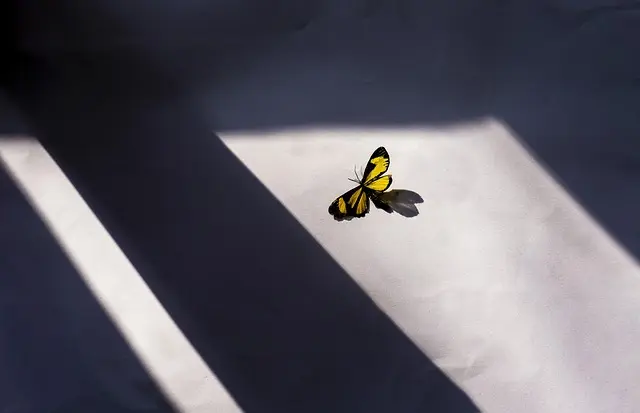
- Negative Space: Don’t shy away from using empty space. This technique emphasizes your subject by isolating it within a larger area of the frame. It can evoke feelings of serenity or solitude.
- Depth of Field: Controlling your depth of field can dramatically impact composition. A shallow depth creates a blurred background, isolating your subject. In contrast, a deep depth of field brings more elements into focus, which can enrich the storytelling aspect of your image.
- Balance: Balance refers to how visual weight is distributed across the frame. You can achieve balance by carefully placing elements of differing sizes and colors in your composition. Symmetrical compositions evoke calmness, while asymmetrical compositions can energize the image and create more movement.
3. Comparing Composition Techniques: A Practical Table
Here’s a comparison of different composition techniques, showcasing their unique attributes and contexts where they work best.
| Technique | Strengths | Best Use Cases | Potential Drawbacks |
|---|---|---|---|
| Rule of Thirds | Creates balance and harmony | Landscapes, portraits | Can be predictable |
| Leading Lines | Directs viewer’s attention | Architecture, roads | Requires strong lines |
| Framing | Adds depth and focus | Portraits, nature scenes | May obscure some elements |
| Negative Space | Highlights the subject | Minimalist photography | May feel too empty |
| Depth of Field | Isolates subject | Portraits, product shots | Can distract from context |
| Balance | Visual equilibrium | Group shots, landscapes | Harder to achieve with complex scenes |
Analyzing successful photographers reveals valuable insights into the importance of composition. According to an analysis conducted by National Geographic, images that adhere to strong compositional principles receive 60% more engagement on social platforms than those that do not. This data emphasizes the need for photographers to prioritize composition in their workflow. Furthermore, photographic workshops, often led by industry professionals, have noted that participants who focus on compositional techniques tend to show marked improvement in their work—sometimes in as little as two weeks!
5. Frequently Asked Questions about Composition in Artistic Photography
Q: What is the most important compositional technique?
A: While all techniques are valuable, the rule of thirds is often considered foundational as it enables photographers to create dynamic and engaging compositions.
Q: How can I improve my composition skills?
A: Continuous practice is key. Engage in photo challenges that focus on specific techniques, and analyze the works of successful photographers.
Q: Are there software tools for composition?
A: Yes! Many editing tools offer grid overlays, allowing you to visualize the rule of thirds and other compositional techniques while editing.
Q: Can composition vary based on photography styles?
A: Absolutely. Each photography style—from portraits to landscapes—may emphasize different compositional techniques based on the intended message.
Glossaire
| Terme | Définition |
|---|---|
| Règle des Tiers | Technique de composition qui divise l'image en tiers. |
| Profondeur de Champ | Zone de netteté en photographie, influencée par l'ouverture. |
| Espace Négatif | Zone vide autour du sujet principal, créant une atmosphère. |
Checklist avant achat
- [ ] Practice rule of thirds.
- [ ] Experiment with leading lines.
- [ ] Capture images with negative space.
- [ ] Analyze composition in your favorite photos.
- [ ] Join a photography workshop.
📺 Pour aller plus loin : Explore the techniques behind incredible photography compositions, a comprehensive analysis of composition techniques. Recherchez sur YouTube : "how to frame your shots in artistic photography".
In conclusion, mastering the art of composition in artistic photography is essential for creating images that resonate. While understanding techniques like the rule of thirds or negative space is crucial, the ultimate goal is to find a unique voice through your lens. Remember, each photo is an opportunity to tell a story—so take your time and compose with intention.
Call to Action
Ready to elevate your photography skills? Explore our selected products below to equip yourself for your next creative venture!
📺 Pour aller plus loin : how to frame your shots in artistic photography sur YouTube
Recommended products
Selected by our experts
'Quarto 1' Framed Wall Art 24''x24'' by Ackerman
cb2.com
This framed wall art can inspire your composition with its unique aesthetics and use of color.

Surratt Artistique Liquid Blush Cantaloup
bluemercury.com
This liquid blush can enhance your artistic portraits by providing vibrant colors that stand out.

Surratt Artistique Blush La Rosee du Soir
bluemercury.com
This blush offers a natural glow that complements artistic photography, bringing life to your subjects.