Table of Contents (11 sections)
Artistic photography transcends mere snapshotting; it's about crafting a visual narrative that resonates with viewers. At its core, composition involves the arrangement of elements within the frame to draw the audience's eye and evoke emotion. Understanding why composition matters is crucial for any aspiring photographer. Effective composition can turn an ordinary scene into a stunning piece of art. It influences how a subject is perceived, helps in guiding the viewer's focus, and creates balance and harmony in the image.
In an era where we are bombarded with images, captivating composition can set your work apart. Elements such as balance, contrast, symmetry, and leading lines are fundamental in guiding the viewer's journey through an image. According to a study by The Royal Photographic Society, 78% of viewers commented that a strong composition played a vital role in their engagement with an image. It's essential for photographers to master these elements.
Step-by-Step Guide to Composition Techniques
Step 1: Understand the Rule of Thirds
The rule of thirds is a classic composition guideline that can radically change your photography. Imagine dividing your frame into nine equal parts with two vertical and two horizontal lines. The idea is to position your subject along these lines or at their intersections. This technique creates a more dynamic and balanced image. For instance, when photographing landscapes, placing the horizon along the top or bottom third line instead of dead center can create a more compelling scene. However, while it's important to know this rule, don't hesitate to break it when it enhances your artistic expression. Experimentation is key!
Step 2: Experiment with Framing
Framing involves using elements within the scene to create a ‘frame’ around your subject. This technique draws attention to the subject while adding depth. For example, using branches or archways to frame a portrait can help isolate the subject, thereby increasing the viewer’s focus. In artistic photography, the framing can range from natural elements to architectural features. Always look for opportunities to incorporate foreground elements that can enhance your composition while guiding the viewer's eye toward your main subject. Avoid clutter and ensure the frame is enhancing rather than distracting from your main focus.
Step 3: Play with Leading Lines
Leading lines are powerful tools in your composition arsenal. These are lines that lead the viewer's eyes towards the focal point of your image. Roads, rivers, and pathways can serve as leading lines, creating depth and perspective. For example, in a landscape shot, a road leading into the horizon can evoke a sense of journey and exploration. When utilizing leading lines, try to emphasize the lines so they naturally lead your viewer to explore your image. It’s about creating a sense of movement and direction that enhances the story you are telling through your photograph.
Step 4: Create Balancing Elements
Balancing elements within your composition helps create harmony. When using larger subjects, place smaller ones to counterbalance and enhance visual stability. If you photograph a large tree, for instance, consider adding a smaller item—like a flower or rock—to the opposite side. This creates a more engaging and complete scene, rather than leaving large empty spaces. Consistency in balance leads to pleasant compositions that are visually appealing and naturally guide the viewer’s eye.
Step 5: Utilize Depth of Field
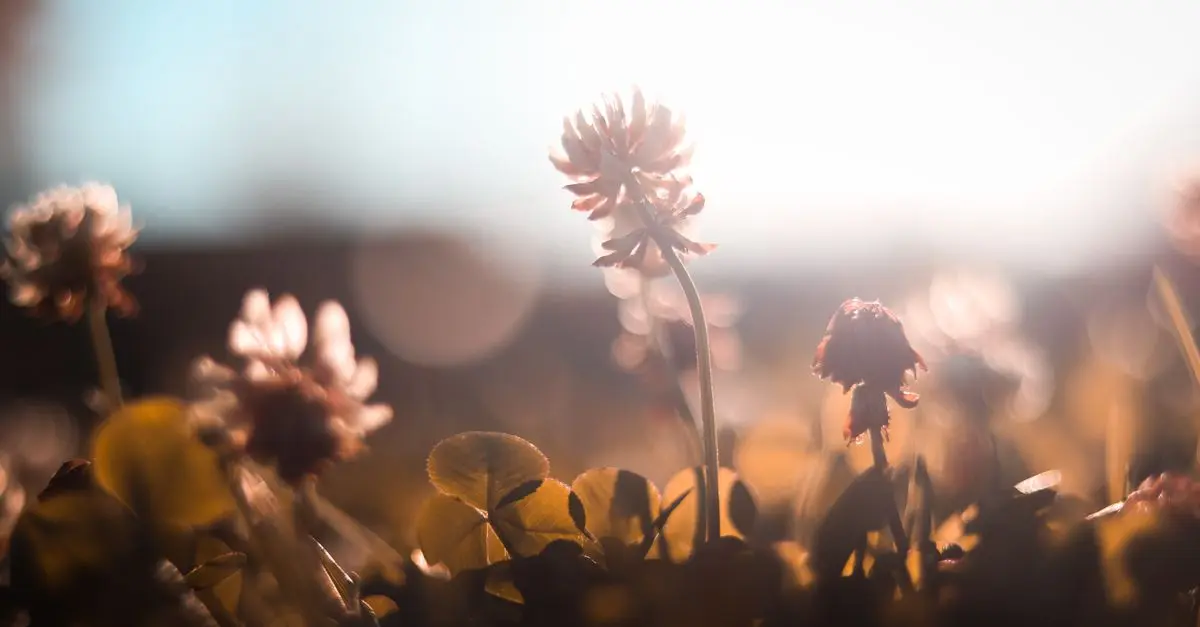
Depth of field plays a crucial role in composition. A shallow depth creates separation between the subject and the background, focusing on the subject while blurring out distractions. This technique effectively enhances storytelling, making your subject stand out dramatically. For example, in portrait photography, a wide aperture will keep the subject sharply focused while providing a beautifully soft background. Conversely, a deep depth of field is ideal for landscapes, ensuring that every detail from foreground to background is crystal clear.
Step 6: Review and Edit for Effortless Composition
Finally, reviewing your work is an essential part of mastering artistic photography composition. After the shoot, take time to analyze your photographs. Look for any elements that distract from the main focus and consider if your composition effectively conveys the message you intended. Editing software can be a powerful ally in enhancing your composition. Techniques like cropping, adjusting brightness, contrast, and color balance can turn good images into great ones. Consider the composition even during editing, as this is where you refine your visual storytelling.
📺 Resource Video
> 📺 For more in-depth techniques: Explore our video on advanced composition strategies in artistic photography. Search on YouTube: "advanced photography composition techniques 2026".


Checklist for Perfect Composition
- [ ] Understand and apply the rule of thirds.
- [ ] Experiment with natural framing.
- [ ] Use leading lines effectively.
- [ ] Maintain balance with varying element sizes.
- [ ] Decide on depth of field intentionally.
- [ ] Review and edit your work critically.
Glossary
| Terme | Définition |
|---|---|
| Composition | Arrangement of visual elements in a photograph. |
| Rule of Thirds | A guideline for composing images, dividing the frame into thirds. |
| Depth of Field | The distance between the nearest and farthest objects in focus. |
> 🧠 Quiz rapide : What composition technique uses the division of the frame into thirds?
> - A) Leading Lines
> - B) Rule of Thirds
> - C) Balance
> Réponse : B — The Rule of Thirds is a fundamental technique in visual composition.
📺 Pour aller plus loin : advanced photography composition techniques 2026 sur YouTube
Recommended products
Selected by our experts
'Quarto 1' Framed Wall Art 24''x24'' by Ackerman
cb2.com
This framed wall art beautifully illustrates the principles of composition in artistic photography, serving as inspiration for your own work.
Surratt Artistique Liquid Blush Cantaloup
bluemercury.com
This liquid blush serves as an excellent metaphor for blending tones in your photography, enhancing your understanding of color dynamics.
Surratt Artistique Blush La Rosee du Soir
bluemercury.com
This blush highlights the importance of subtlety in composition, reminding you to focus on details that enhance your artistic expression.