Table of Contents (16 sections)
Photographie artistique isn’t just about taking pictures; it's about telling a story through the lens, capturing the essence of a moment, and creating visual poetry. Composition forms the backbone of this craft, guiding the viewer's eye and conveying emotions and narratives effectively. This article will explore various aspects of composition, providing a step-by-step guide to mastering this essential skill.
Understanding Composition in Artistic Photography
Before delving into the tactics of composition, it's essential to understand its definition and significance in photography. Composition refers to the arrangement of elements in a photograph. It involves how subjects are placed, the background context, and the interplay of light. A well-composed photograph not only captures attention but also communicates a message.
Artistic photography thrives on engaging compositions that evoke feelings and provoke thoughts. For instance, the famed photographer Ansel Adams revolutionized landscape photography through thoughtful composition, leading viewers to appreciate nature's beauty intimately. According to a survey conducted by The Royal Photographic Society, 67% of photographers attribute their success in capturing impactful images to their understanding of composition. Such statistics highlight the importance of mastering this aspect of photography for both amateurs and professionals alike.
Step-by-Step Guide to Composition Techniques
Step 1: Master the Rule of Thirds
The rule of thirds is fundamental in photography composition. To apply this principle, divide your frame into a 3x3 grid. Position the important elements of your scene along these lines or at their intersections. By doing this, you enhance the balance and interest of the photograph. For example, when photographing landscapes, placing the horizon along the top or bottom third line can create a more dynamic image.
Step 2: Utilize Leading Lines
Leading lines are natural lines within the frame that draw the viewer’s eye to the focal point. Roads, rivers, or fences can guide the gaze and create a sense of depth. For instance, a photo featuring a winding path leading into a forest can evoke curiosity and a sense of adventure. Experiment with different angles to emphasize these leading lines and create captivating compositions.
Step 3: Frame Your Subject
Using natural frames can add depth and context to your photos. Look for opportunities to capture your subject through elements like doorways, windows, or branches. This technique creates a visual anchor and draws attention to the subject effectively.
Step 4: Incorporate Negative Space
Negative space refers to the area surrounding your main subject, providing breathing room and emphasizing the subject itself. For instance, a solitary tree against a vast sky creates a striking image. Utilize negative space to simplify your composition and direct focus. A common mistake here is overcrowding the frame. Ensure you leave ample space around your subject to let it breathe.
Step 5: Pay Attention to the Background
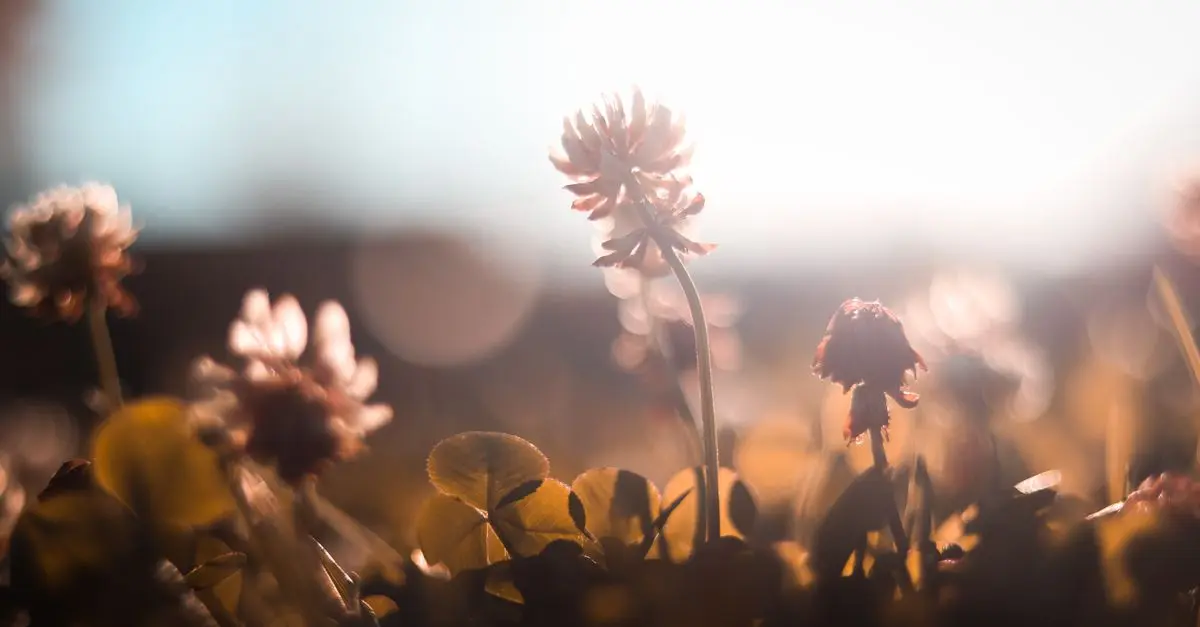
A cluttered background can distract from your main subject. Before clicking, assess the background and how it interacts with your subject. Try different angles, heights, and distances to find the most flattering background. A neutral or blurred background often enhances the subject's clarity and impact.
Step 6: Experiment with Perspective
Changing your perspective can dramatically alter a composition. Rather than shooting at eye level, try crouching down or shooting from above. For instance, photographing a flower from the ground can offer a fresh perspective, captivating viewers and inviting them to see through your eyes.
Checklist for Strong Compositions
- [ ] Understand the rule of thirds
- [ ] Look for leading lines
- [ ] Use natural framing techniques
- [ ] Incorporate negative space judiciously
- [ ] Assess the background of your shot
- [ ] Experiment with different perspectives


Data-driven Insights on Composition Trends
Recent studies indicate a shift in how photography enthusiasts approach composition. For instance, social media platforms like Instagram have made users increasingly conscious of visual appeal, leading to the rise of minimalist compositions. According to 2019 data from Hootsuite, 52% of top artworks shared on Instagram utilized simplified elements to enhance engagement. As a photographer, keeping abreast of these trends can inform your technique and choices in artistic photography.
Comparison of Composition Techniques
| Technique | Strengths | Weaknesses | Overall Verdict |
|---|---|---|---|
| Rule of Thirds | Creates balance, enhances focus | Can be predictable | Essential for beginners |
| Leading Lines | Guides viewer's eye, adds depth | Requires careful framing | Highly effective |
| Using Negative Space | Empowers your subject, creates simplicity | Risk of misinterpretation | Great for minimalism |
| Natural Framing | Adds context, draws attention to the subject | Limited by surroundings | Unique perspective |
📺 Resource Vidéo
> 📺 To deepen your understanding of composition, watch our recommended video on YouTube: "5 Composition Techniques to Improve Your Photography". Search on YouTube for: "composition techniques photography".
Q1: What are the basic rules of composition in photography?
A1: Basic rules include the rule of thirds, leading lines, framing, and the use of negative space. These guidelines assist in creating balanced and engaging images.
Q2: How can I improve my photography composition skills?
A2: Practice various composition techniques, analyze others' works, and request feedback from experienced photographers to refine your skills.
Q3: What is the rule of thirds in photography?
A3: The rule of thirds involves dividing the frame into nine equal parts and placing the subject along the grid lines or intersections for a balanced image.
Q4: How does perspective affect photography?
A4: Perspective alters the viewer's perception. Changing your angle or height can bring new depth and creativity to your composition.
Glossaire
| Terme | Définition |
|---|---|
| Règle des tiers | Technique de composition divisant le cadre en tiers. |
| Espace négatif | Zone autour du sujet principal pour le souligner. |
| Perspective | L'angle sous lequel une photo est prise. |
Checklist avant achat
- [ ] Review composition techniques
- [ ] Analyze backgrounds in photographs
- [ ] Experiment with angles and perspectives
- [ ] Engage with feedback from peers
- [ ] Continually practice photography.
We hope this guide helps you master the art of composition in photographic artistry. With practice and imagination, you can create compelling images that resonate with viewers.
Don't forget to explore our selected products to enhance your photography.
📺 Pour aller plus loin : composition techniques photography sur YouTube
Recommended products
Selected by our experts
'Quarto 1' Framed Wall Art 24''x24'' by Ackerman
cb2.com
This framed wall art can inspire your sense of aesthetics and enhance your artistic environment.
Surratt Artistique Liquid Blush Cantaloup
bluemercury.com
This liquid blush can be useful for makeup in portrait photography.
Surratt Artistique Blush La Rosee du Soir
bluemercury.com
Providing natural glow in portrait shoots, this product can enhance the subject's appearance.