Table of Contents (12 sections)
Artistic photography is more than just capturing beautiful scenes; it involves a deep understanding of composition. Mastering the art of composition can elevate your photographs from ordinary to extraordinary. This tutorial will guide you through essential techniques to enhance your artistic photography skills and help you express your unique vision.
1. Understanding Composition Principles
Composition is the arrangement of elements within your frame. A well-composed photograph guides the viewer’s eye and conveys your intended message. There are several essential principles to consider, including the rule of thirds, leading lines, and framing.
- Rule of Thirds: Imagine your image divided into nine equal sections by two horizontal lines and two vertical lines. The most critical elements should be placed along these lines or at their intersections to create balance and interest.
- Leading Lines: Use natural lines within the scene to lead the viewer’s eye to the focal point. This technique creates depth and perspective.
- Framing: Use elements in your environment to frame your subject, which draws attention to it and adds context.
Incorporating these elements into your artistic photography will help you create a more compelling visual narrative.
2. The Process of Composition
Step 1: Planning Your Shot
Before you even pick up your camera, spend time planning your shot. Consider the location, lighting conditions, and the story you want to tell. Make a checklist of elements you want to include in the frame. This planning phase is crucial for successful composition.
Step 2: Choosing the Right Angle
Experiment with different angles and perspectives to see how they alter the composition. Get low to the ground or shoot from above to add interest. Changing your viewpoint can significantly impact the final image.
Step 3: Balancing Elements
Balance is vital in composition. Ensure that your main subject does not overpower other elements in the frame. You can achieve balance by placing objects of varying visual weight across the composition. For instance, if you have a large subject on one side, consider a smaller but visually appealing element in the opposite corner.
Step 4: Utilizing Negative Space
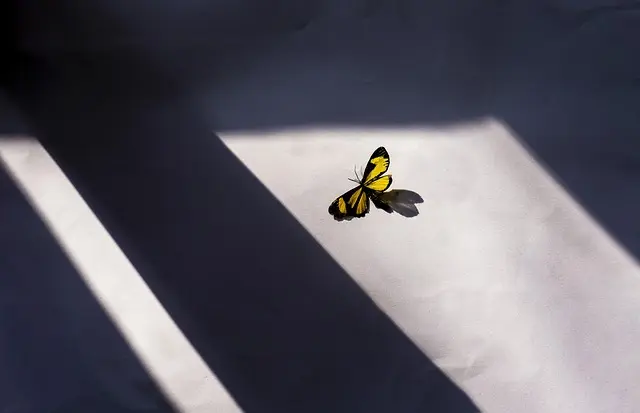
Negative space refers to the empty space surrounding your subject. It can help emphasize your focal point and simplify the composition. By incorporating negative space, you allow viewers to focus on what truly matters in your image, enhancing its visual impact.
Step 5: Reviewing and Iterating
After capturing your photographs, take time to review the results. Look for areas of improvement in your composition. Experiment with editing to crop or adjust the framing until it aligns with your artistic vision. Iteration is key to refining your skills and achieving the desired outcome.


3. Composition Techniques Compared
| Technique | Strengths | Weaknesses | When to Use |
|---|---|---|---|
| Rule of Thirds | Creates balance and interest | Can be predictable if overused | Landscape and portraiture |
| Leading Lines | Guides viewer’s eye effectively | Requires strong elements in the scene | Street and architectural photography |
| Framing | Draws attention to the subject | May limit the scene if not done carefully | Nature and portrait photography |
| Negative Space | Emphasizes the main subject | Can be misleading if too much space is used | Abstract and minimalist photography |
4. Analyzing Composition in Famous Works
Learning from master photographers can greatly influence your artistic photography. Analyze iconic images to understand their composition. For instance, consider the works of Ansel Adams or Henri Cartier-Bresson, who excelled in utilizing composition principles effectively.
According to a study by UFC-Que Choisir, many aspiring photographers fail to pay attention to composition, focusing solely on technique and equipment. Understanding and applying composition can significantly enhance the aesthetic quality of your images.
💡 Expert Opinion: Mastering composition is fundamental to expressing your creative vision. Pay attention to how light interacts with your subjects and use it to enhance the overall composition.
5. FAQs About Artistic Photography
- Q: What is the most important aspect of composition?
A: The most critical aspect is ensuring that your main subject stands out while harmoniously integrating with the surrounding elements.
- Q: How can I practice composition techniques?
A: Regularly take photographs while focusing on specific composition techniques. Review and iterate on your work.
- Q: Should I always follow the rule of thirds?
A: Not necessarily. While it’s a good guideline, let your creative instincts guide you. Breaking rules can lead to unique compositions.
- Q: Can editing help improve composition?
A: Indeed! Tools like cropping or adjusting framing in post-production can significantly enhance overall composition.
📺 Resource Video
> 📺 For further exploration: Photography Composition Techniques 2026, a detailed guide on utilizing composition principles effectively. Search on YouTube for: `
📺 Pour aller plus loin : photography composition techniques 2026 sur YouTube
Recommended products
Selected by our experts
Surratt Artistique Liquid Blush Cantaloup
bluemercury.com
A versatile product for artists to enhance their creative expression, fitting for photography shoots.