Table of Contents (17 sections)
Negative space is a powerful tool in artistic photography that can drastically change the perception of your images. It refers to the areas surrounding the main subject that can create balance, focus, and composition strength. As we dive into the nuances of photographie artistique, mastering negative space can lead to more striking and memorable photographs.
Understanding Negative Space
What is Negative Space?
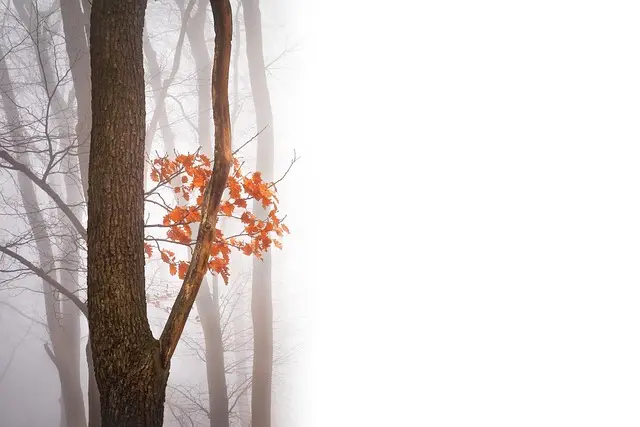
Negative space is the empty area around and between the subject(s) of an image. Rather than simply being a lack of content, negative space contributes significantly to the overall composition. It helps balance the photograph, directs the viewer's eye to the main subject, and can evoke emotional responses. For instance, consider a portrait with a large blank area behind the subject, which can create feelings of isolation or focus.
The effective use of negative space can lead to compelling compositions that highlight the main elements of a scene. This technique has been embraced by many renowned photographers, including Ansel Adams and Henri Cartier-Bresson, who utilized vast areas of blank space to convey deeper meanings in their work.
Using negative space strategically can also simplify your image, drawing attention away from clutter and distractions. This principle is particularly effective in environments where visual noise is high, such as busy urban scenes or nature settings. By harnessing this technique, photographers can transform mundane scenes into noteworthy artwork.
Step-by-Step Guide to Using Negative Space
Step 1: Identify Your Subject
Before you can utilize negative space effectively, it’s crucial to decide on your subject. Whether it’s a person, a building, or a natural element, having a clear subject helps you plan your composition. Consider what you want to convey through this subject. Will it evoke emotions, tell a story, or simply showcase beauty?
Step 2: Select the Right Composition
Once you’ve identified your subject, explore various compositions. The Rule of Thirds is a great starting point—place your subject off-center while allowing ample negative space around it. Experiment with different angles. Photographing from higher or lower perspectives can dramatically change the amount and quality of negative space.
Step 3: Adjust the Background
Take a moment to assess your background. A cluttered or distracting background can detract from your subject and the intended negative space effect. Look for simple or uniform backgrounds that complement your subject. If shooting outdoors, consider wide-open spaces like fields or the sky, which naturally provide negative space.
Step 4: Mind the Lighting
Lighting plays a pivotal role in defining negative space. Soft, diffused light often creates gentle shadows, enhancing the subject while maintaining the integrity of the negative space. Conversely, harsh lighting can lead to undesirable contrasts that might pull attention away from what’s important.
Step 5: Experiment with Scale
Scale can alter one’s perception of negative space. Positioning a small subject against a large backdrop, be it a vast sky or a sprawling desert, reinforces isolation while simultaneously using negative space beautifully. Play with the proximity of the subject to the camera to see how it changes the relationship with the negative space.
Step 6: Analyze and Adjust
After capturing your shot, take the time to analyze your image. Does the negative space effectively enhance your subject? If not, consider making adjustments by cropping, repositioning the subject, or trying a different angle. Review and refine multiple takes to ensure that the final image is compelling.


Common Mistakes to Avoid
While the concept of negative space sounds straightforward, many photographers struggle with its application. Here are some common pitfalls:
- Overcomplicating the Composition: Including too many elements can lead to confusion. Ensure your composition maintains focus on the subject through a balanced use of negative space.
- Ignoring the Background: The environment plays a significant role in how negative space functions. Be vigilant about what appears in the frame.
- Lack of Experimentation: Don’t settle for the first shot. Explore different angles, subjects, and spaces to discover unique perspectives.
Types of Negative Space in Photography
When considering your images, it is important to note the various forms negative space can take:
- Color: A solid color backdrop can serve as a powerful and impactful negative space.
- Texture: Textured surfaces can create a sense of depth and interest without distracting from the main subject.
- Contrast: Utilizing contrasting colors can enhance the visibility of your subject against the negative space.
📺 For More Insights
For additional insights on composition and negative space, consider checking out a YouTube video that dives deeper into this topic. Search for: "using negative space in photography" for valuable tutorial content and real-world examples.
🧠 Quick Quiz
> What is negative space in photography?
> - A) The area surrounding the main subject
> - B) The main subject itself
> - C) The props used in a photo
> Answer: A — Negative space refers to the areas around the main subject that help to define it.
Conclusion
Mastering the art of negative space can elevate your photographie artistique. By thoughtfully applying the techniques outlined above, you can create artworks that not only showcase your subjects but also evoke emotion and clarity. Don’t shy away from experimenting with space in your photos. With practice, you’ll learn to appreciate the silent, yet powerful, narrative that negative space can tell.
Checklist Actionable
- [ ] Define your subject clearly
- [ ] Experiment with composition rules
- [ ] Assess the background and lighting
- [ ] Analyze your images critically
- [ ] Continuously experiment and refine your approach
Glossary
| Terme | Définition |
|---|---|
| Negative Space | The area around and between the subject of an image, enhancing the overall composition. |
| Rule of Thirds | A composition guideline that suggests dividing an image into thirds to create balance. |
| Visual Noise | Distracting elements within a photo that can take attention away from the main subject. |
---
📺 Pour aller plus loin : How to use Negative Space in photography sur YouTube
Recommended products
Selected by our experts
'Quarto 1' Framed Wall Art 24''x24'' by Ackerman
cb2.com
This framed wall art exemplifies negative space usage, making it a great inspiration for photographers.
Surratt Artistique Liquid Blush Cantaloup
bluemercury.com
Using the right makeup can boost confidence for portraits, enhancing overall photographic results.
Surratt Artistique Blush La Rosee du Soir
bluemercury.com
A radiant blush can bring focus to your subject's expression, complementing your photography beautifully.