Table of Contents (11 sections)
Capturing stunning images requires a deep understanding of various elements, and one of the most prominent is color. Color influences perception, emotion, and storytelling in photography. In this guide, we will explore how to master the use of color in artistic photography, providing practical techniques for photographers of all levels.
1. Understanding Color Theory
To effectively use color in your artwork, it's vital to grasp the basics of color theory. This includes knowing the color wheel, which is divided into primary, secondary, and tertiary colors. Primary colors (red, blue, yellow) can be mixed to create other colors. Understanding complementary colors (colors opposite each other on the wheel) helps create contrast and visual interest. For example, capturing a blue sky against a bright orange sunset creates a stunning visual impact.
Monochromatic schemes, utilizing variations of a single hue, evoke a sense of harmony and can lead to a powerful emotional response. For instance, using different shades of green can create a serene atmosphere, ideal for landscapes. Furthermore, the psychology of color plays a vital role: blue is often associated with calmness, whereas red can evoke energy and excitement. Understanding these associations can guide your color choices and enhance your artistic storytelling.
2. Step-by-Step Guide to Using Color in Photography
Mastering color in artistic photography involves a systematic approach. Here’s a detailed step-by-step guide:
- Identify Your Subject: Start with a clear subject. Choose a theme that will convey a specific mood or message.
- Color Palette Selection: Based on your subject, establish a color palette. Decide whether you want warm, cool, or neutral tones.
- Lighting Consideration: Lighting influences how color is perceived. Experiment during golden hour—just after sunrise or before sunset—when the light is soft and warm.
- Composition Techniques: Use techniques like the rule of thirds to place colors effectively within the frame. Placing a vibrant color at the intersection points can draw the viewer’s eye.
- Post-Processing: Use software like Adobe Lightroom or Photoshop to adjust colors and enhance your images. Don’t be afraid to experiment with saturation and vibrancy.
- Seek Feedback: Share your images with peers or online communities for insights. Their perspectives can help refine your color choices.
By following these steps, you can evolve your color usage and transform your photography.
3. Comparing Different Color Schemes
A solid understanding of various color schemes can elevate your photography. Here’s a comparative table of some common schemes:
| Color Scheme | Description | Use Case | Impact on Emotion |
|---|---|---|---|
| Complementary | Colors opposite on the color wheel | Landscape with sunset & water | High contrast, dynamic |
| Analogous | Colors next to each other on the wheel | Nature scenes with greens & yellows | Harmony, tranquility |
| Triadic | Three colors equally spaced on the wheel | Sports events with vibrant colors | Energetic, vibrant |
| Monochromatic | Different shades of the same color | Portraits or minimalist settings | Calm, unified |
In artistic photography, color enriches storytelling. For example, a photo of a solitary figure in a desaturated environment can evoke feelings of loneliness. In contrast, vibrant scenes with colors like bright green and yellow convey joy and vitality. Colors can also symbolize certain themes; for example, red can symbolize love or danger depending on its use.
Consider the work of renowned photographers like Andreas Gursky, who uses scale and color saturation to create captivating narratives that engage viewers. Reflecting on the story you wish to tell can guide your color choices effectively.
5. Experimenting with Color in Different Mediums
Through experimentation, you can fully understand color application. Here are practical tips:
- Use Filters: Experiment with colored filters to see how they affect your images.
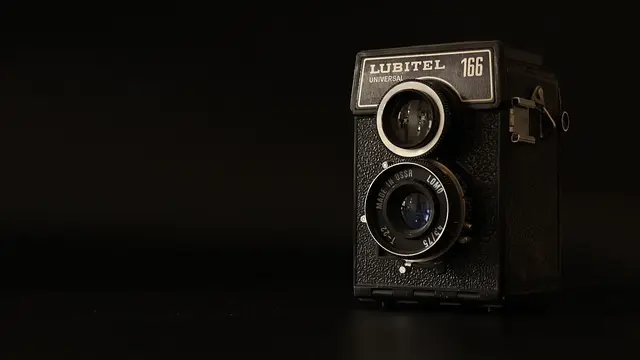
- Film vs. Digital: If possible, try shooting with film photography. Different films react uniquely to light and colors.
- Abstract Techniques: Play with long exposure or motion blur to create abstract images focusing on color.
Reflecting on varied mediums will offer new perspectives and inspire your artistic vision.
📺 For further exploration:
Explore more about color use techniques in photography. Search on YouTube for: "color theory in photography 2026".
🔍 Quick Quiz:
> What is the complementary color of yellow?
> - A) Blue
> - B) Green
> - C) Red
> Answer: A — Blue is the complementary color of yellow and enhances visual contrast.
Checklist Before Shooting
- [ ] Choose your subject wisely.
- [ ] Establish a color palette.
- [ ] Check lighting conditions.
- [ ] Plan composition with the color scheme in mind.
- [ ] Review after editing for color accuracy.


Glossary
| Term | Definition |
|---|---|
| Color Theory | The study of how colors interact with each other. |
| Monochromatic | A scheme using one color in different shades. |
| Complementary | Colors that are opposite each other on the wheel. |
Using color wisely in photography is essential for creating captivating images that resonate with viewers. Remember, the potential of color in photography is vast. Keep learning and experimenting to discover your artistic voice.
Recommended Products
- Product 1: Ideal for enhancing the color vibrancy in your artistic photography.
- Product 2: A versatile tool for achieving excellent color tones in your work.
- Product 3: Perfect for those looking to improve their editing skills with colors.
Through mastering the use of color in artistic photography, you can tell stories that not only captivate the eye but also resonate emotionally with your audience. Start experimenting with these methods and watch your photography soar to new heights.
📺 Pour aller plus loin : color theory in photography 2026 sur YouTube
Recommended products
Selected by our experts
'Quarto 1' Framed Wall Art 24''x24'' by Ackerman
cb2.com
This wall art represents an excellent example of color contrast, perfect for inspiration.
Surratt Artistique Liquid Blush Cantaloup
bluemercury.com
A liquid blush that showcases vibrant shades, useful for understanding color dynamics in portraits.
Surratt Artistique Blush La Rosee du Soir
bluemercury.com
This blush provides an excellent study in color application, beneficial for artists focusing on makeup photography.