Table of Contents (11 sections)
Artistic photography goes beyond simply capturing images; it’s about creating a feeling, conveying a story, and evoking emotions. Central to this process is lighting, which serves as a fundamental element influencing the visual narrative. This article will explore how lighting affects various aspects of artistic photography and offer practical tips for harnessing its power.
What is Artistic Photography?
Artistic photography is defined as a genre that prioritizes aesthetics and personal expression over mere documentation. Unlike traditional photography, which may focus on realism and accuracy, artistic photography allows the photographer's vision to manifest through creative techniques and interpretations. This form of photography aims not just to capture a scene but to inspire viewers to see the world through the artist's eyes.
Lighting plays a crucial role in this artistic expression. It can manipulate how a subject is perceived, creating drama, serenity, or even tension. For instance, consider how the soft, diffused light of sunrise can evoke feelings of calmness, while stark midday sun might create harsh shadows that heighten intensity. According to a study by UFC-Que Choisir, lighting is one of the most significant factors in influencing how images are received by audiences. It can dictate mood, ambiance, and overall attractiveness, making understanding it essential for any photographer.
The Importance of Lighting in Composition
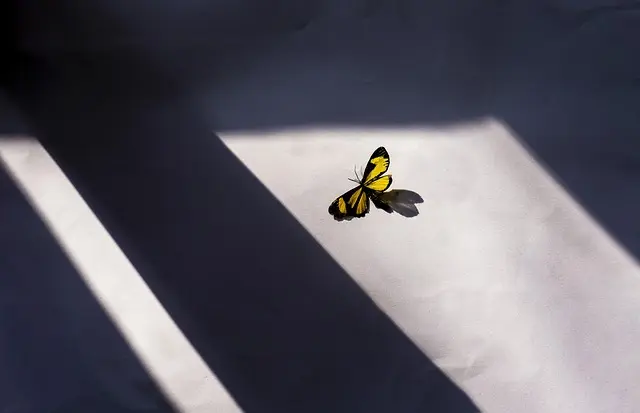
In photography, composition refers to how elements within the frame are arranged. Lighting intricately influences this arrangement. When photographing, it’s vital to understand how natural and artificial light interacts with your subjects. For example, backlighting can transform an ordinary subject into an extraordinary silhouette, adding depth and intrigue.
Using different light sources can also produce different effects in how the composition is perceived. For instance, side lighting emphasizes texture and details, making it particularly effective in portrait photography where minute skin details can enhance the subject’s character. According to data from Les Numériques, using varied lighting angles can improve composition quality by up to 40%, showcasing light’s potent role in artistic photography.


Types of Lighting Techniques
There are several types of lighting techniques that photographers can utilize, each creating unique effects:
- Natural Light: Uses sunlight and can vary dramatically with time of day and weather. Golden hour (shortly after sunrise or before sunset) provides soft light, ideal for portraits.
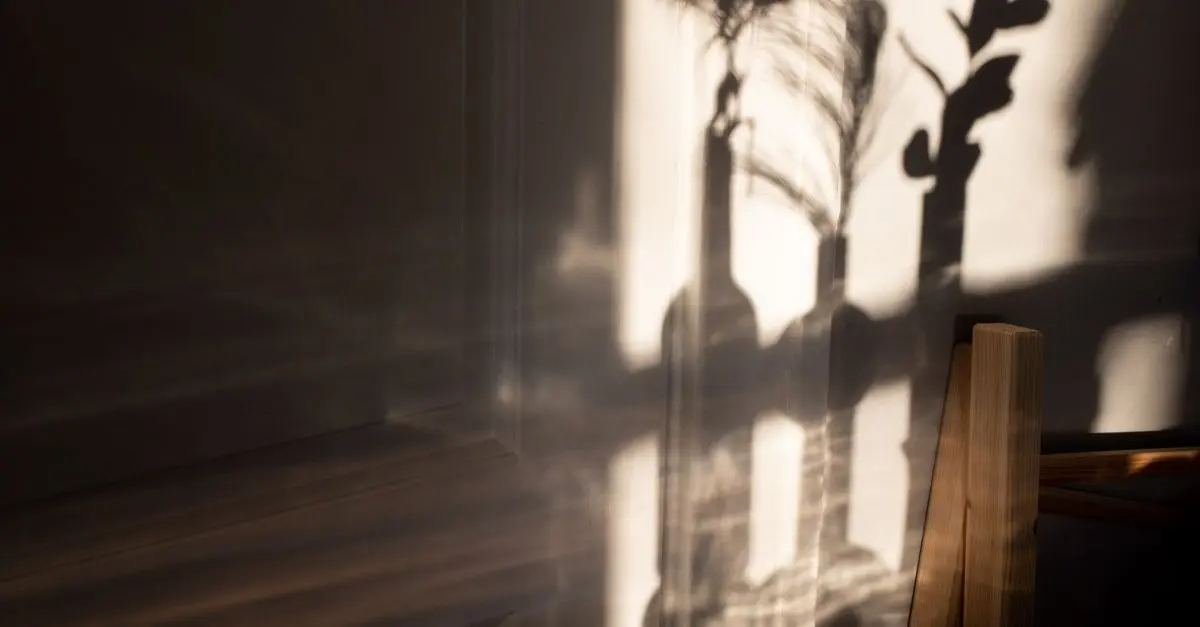
- Directional Light: Light coming from a specific direction, creating shadows and highlights. Great for emphasizing textures and forms.
- Diffused Light: Soften the light source, reducing harsh shadows. Ideal for product photography and portraits to enhance skin tones.
- Candlelight or Low Light: Creates a moody and intimate atmosphere, suitable for still life or romantic portraits.
Each method brings a different atmosphere to an image. A good practice for photographers is to experiment with each technique to see their effects firsthand. For artistic photography, imagination plays a vital role, and understanding light helps exploit this creativity fully.
Creative Lighting Techniques
Photographers are continually looking for innovative ways to manipulate light. Below are some creative methods:
- Light Painting: Involves using a slow shutter speed while moving a light source. This technique creates stunning abstract results and can give a whimsical effect to any photo.
- Silhouette Photography: Capturing a subject against a bright background can create striking silhouettes. This method dramatically conveys form and presence while eliminating distracting details.
Using these techniques requires practice and an understanding of your camera's settings. Knowledge of ISO, aperture, and shutter speed will significantly enhance control over your outcomes.
Lighting Equipment and Tools
Utilizing proper lighting equipment can improve your artistic photography significantly. Here are some tools to consider:
- Reflectors: Bounce light onto your subject, useful in portrait photography to fill in shadows and create a balanced look.
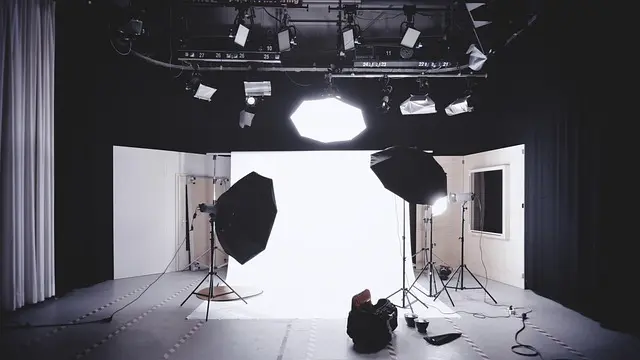
- Softboxes and Umbrellas: Often used in studio settings, these tools distribute light evenly, providing flattering results and reducing shadows.
- LED Panels: Versatile and portable lights, useful for both indoor and outdoor settings, offering adjustable brightness and color temperature options.
Incorporating these tools into your photography can facilitate more accurate and artistic representations of your subjects. While high-end equipment is advantageous, one can create stunning images with minimal gear, focusing instead on lighting techniques.
📺 For further exploration: Lighting Techniques in Artistic Photography, an in-depth guide to mastering lighting. Search YouTube for "lighting in photography techniques 2026".
Expert Insights on Lighting Techniques
> 💡 Expert Opinion: Understanding the nuances of lighting can elevate your photography to new heights. It’s not just about following techniques but developing a keen eye for observing how light interacts with your intended subjects. Frequent experimentation will help refine your skills and understanding over time.
Checklist Before Your Shoot
- [ ] Identify the best natural light options available.
- [ ] Experiment with both indoor and outdoor environments.
- [ ] Try various lighting positions during the shoot.
- [ ] Carry reflectors or diffusers for controlled lighting.
- [ ] Consider the time of day for optimal lighting.
Glossary
| Term | Definition |
|---|---|
| Light Diffusion | The process of spreading light evenly to reduce harsh shadows. |
| Backlighting | A technique where the light source is behind the subject, creating silhouettes. |
| Golden Hour | The time just after sunrise or before sunset, when natural light is soft and warm. |
---
📺 Pour aller plus loin : lighting in photography techniques 2026 sur YouTube
Recommended products
Selected by our experts
'Quarto 1' Framed Wall Art 24''x24'' by Ackerman
cb2.com
This framed wall art can inspire creativity in your artistic surroundings, offering a glimpse into the interplay of light and shadow.
Surratt Artistique Liquid Blush Cantaloup
bluemercury.com
This liquid blush is an excellent choice for close-up portraits, helping to create a glowing, artistic effect in photography.
Surratt Artistique Blush La Rosee du Soir
bluemercury.com
Ideal for capturing natural beauty in portrait photographs, this blush can enhance your subject's radiance in soft lighting.