Table of Contents (10 sections)
Artistic photography offers a unique way to express creativity and capture the beauty of the world around us. By combining technical skills with a keen eye for composition and storytelling, photographers can create stunning images that resonate with viewers. This tutorial will guide you through essential techniques to take your artistic photography to the next level.
1. Understanding the Fundamentals of Artistic Photography
Artistic photography is not just about snapping photos; it's about conveying emotions, stories, and experiences through imagery. To master this art form, you need a solid grasp of the fundamentals. This includes understanding exposure, composition, and lighting.
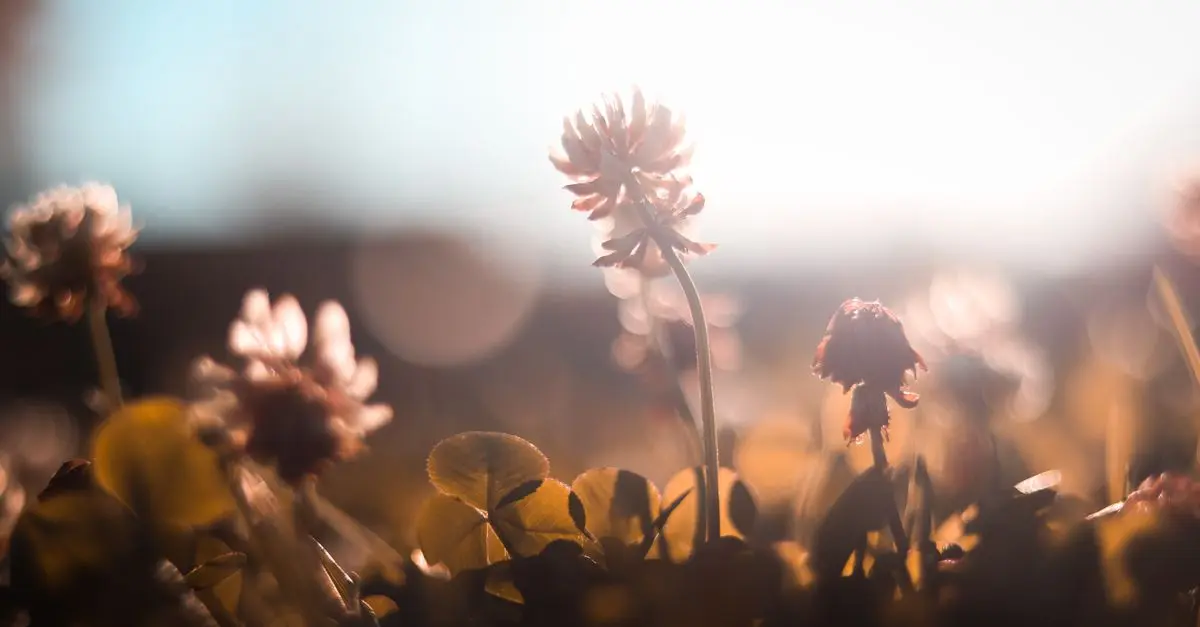
Exposure dictates how much light reaches the camera sensor. It can be influenced by three factors: aperture, shutter speed, and ISO. A wide aperture (low f-stop number) creates a shallow depth of field, beautifully blurring the background while keeping the subject in sharp focus.
Composition involves arranging visual elements to create a compelling photo. One effective technique is the Rule of Thirds, where you divide your frame into a 3x3 grid. Place points of interest along these lines or at their intersections to achieve a balanced, engaging photo.
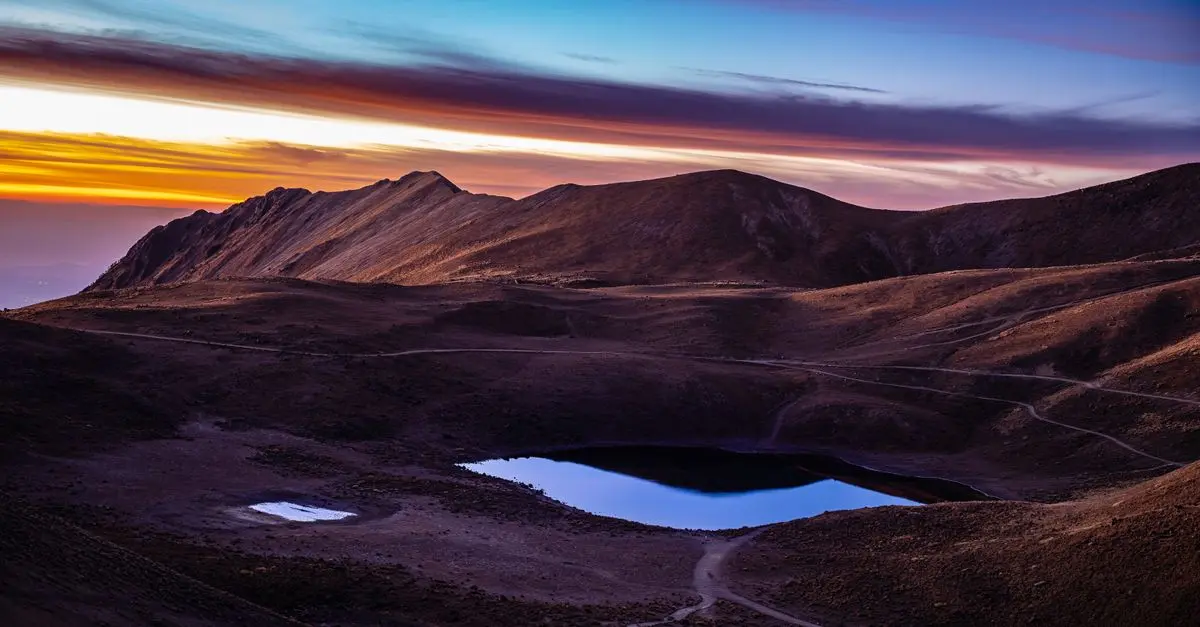
Lighting can make or break your artistic vision. Natural light during the golden hour (shortly after sunrise or before sunset) offers a soft, warm glow, perfect for creating enchanting images. Experiment with different lighting conditions to see how they affect your photos.
2. Mastering Composition Techniques
Once you understand the fundamentals, delve deeper into composition techniques to elevate your artistic photography. Think beyond the standard shots; consider leading lines, framing, and negative space.
Leading lines guide the viewer's eye through the photograph. Roads, rivers, or fences can direct attention to the main subject, adding depth to your image. Framing involves using elements within the scene to create a “frame” around your subject, which can add context and focus. Look for windows, doorways, or branches to frame your subject effectively.
Negative space is equally vital. It refers to the blank space surrounding the subject, allowing it to stand out. This technique can evoke a sense of isolation or tranquility, enhancing the overall mood of the photograph.
3. Experimenting with Different Perspectives
One of the hallmarks of artistic photography is the ability to see the world from unique perspectives. Challenge yourself to shoot from various angles and heights. Get down low for ground-level shots or find a high vantage point for aerial views. Don’t be afraid to make unconventional choices. For instance, a bird's-eye view of a bustling street can evoke a different emotional response than a ground-level shot.
Additionally, use reflections and shadows creatively. Reflections on water or glass can add layers and complexity to your images, while shadows can create dramatic contrasts that highlight your subject's form. Explore these elements to enhance your storytelling.
4. Utilizing Post-Processing Techniques
In the digital age, post-processing is an essential tool for artists. Software like Adobe Lightroom and Photoshop allows you to enhance your images significantly. However, it’s essential to approach editing with intention. Start with basic adjustments—exposure, contrast, and white balance. Increase clarity and vibrance for a more dynamic look.
Using filters can also transform your images dramatically. Be cautious not to over-edit, as authenticity should remain a priority in artistic photography. Subtle adjustments often yield the best results, maintaining the image's integrity while enhancing its artistic quality.
5. Developing Your Unique Style
Finding your artistic voice is perhaps the most fulfilling aspect of photography. This process can take time; it’s crucial to explore diverse subjects, techniques, and styles until something resonates deeply with you. Look at the works of other photographers for inspiration, but strive to incorporate your personal touch.
Consider creating an online portfolio showcasing your best images. Engage with a community on platforms like Instagram or photography blogs to receive feedback. Constructive criticism can provide valuable insights to help refine your style.
6. Checklist for Capturing Stunning Images
Before heading out for your next photography session, ensure you have the following items ready:
- [ ] Fully charged camera battery
- [ ] Sufficient memory cards
- [ ] Tripod for stability
- [ ] Lens cleaning kit
- [ ] Appropriate lens for your subject
- [ ] Settings adjusted for the shooting conditions
- [ ] Notebook to jot down ideas and settings
📺 Resource Video
> 📺 For further exploration: Mastering Photography Techniques, an in-depth review of artistic photography methods. Search on YouTube: artistic photography techniques 2026.
Glossary
| Term | Definition |
|---|---|
| Exposure | The amount of light that reaches the camera sensor, affecting brightness. |
| Composition | The arrangement of visual elements within the frame to create an image. |
| Post-processing | The action of editing an image after it has been taken to enhance or alter it. |
> 🧠 Quick Quiz: What is a common technique for improving composition in photography?
> - A) Overexposing the image
> - B) Using the Rule of Thirds
> - C) Ignoring background elements
> Answer: B — The Rule of Thirds helps create balanced and engaging photos.
Checklist Before Shooting
- [ ] Review composition techniques
- [ ] Test camera settings
- [ ] Ensure all equipment is functional
- [ ] Plan shots ahead of time
- [ ] Prepare to adapt to conditions
By following these steps and embracing the creative process, you’re well on your way to mastering artistic photography, capturing images that not only please the eye but also resonate with the heart. Start practicing these techniques today and see how your photographic vision expands.
Don't forget to keep experimenting and learning as you grow in your skills.
📺 Pour aller plus loin : 7 Exciting Photography Trends for 2026 sur YouTube