Table of Contents (20 sections)
Artistic photography is not just about capturing images, it’s about telling stories and expressing emotions through visuals. Composition plays a crucial role in this process, influencing how an audience perceives and connects with your work. Mastering the art of composition can elevate your artistic photography, making your images not only eye-catching but also meaningful. The concepts we will explore will not only help you in framing your subjects but also in creating a harmonious balance within your photographs.
1. Understand the Basics of Composition
Composition refers to the arrangement of visual elements within a photograph. It serves as the blueprint of an image, guiding the viewer's eye and establishing the relationship among various components. Here are a few key concepts:
- Rule of Thirds: Divide your frame into nine equal parts with two vertical and two horizontal lines. Place the most important elements at the intersections to create balance.
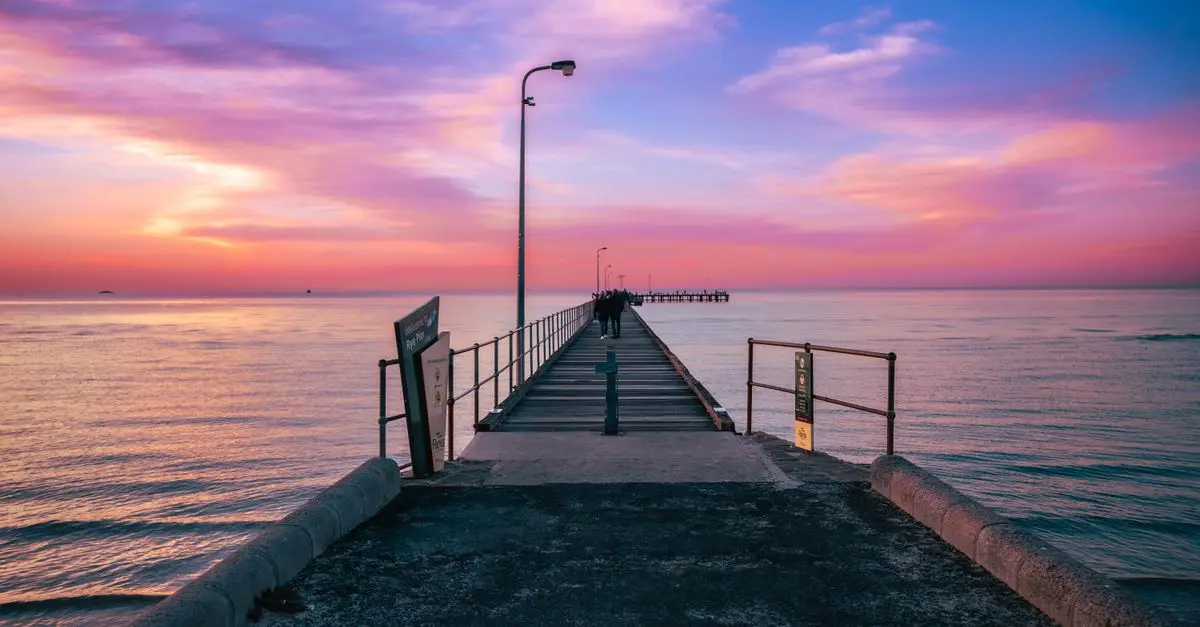
- Leading Lines: Use natural lines within your scene to lead the viewer’s eyes toward the focal point. This technique can draw attention and create depth.
- Framing: Use elements in your scene to frame your subject. This technique focuses attention and adds a layer of depth to the image.
By understanding these foundational principles, you can start to think critically about why you frame your images the way you do and how different arrangements affect the overall narrative.
2. Step-by-Step Guide to Creating Artistic Compositions
Creating a compelling composition involves several steps that are critical to consider while conceptualizing your photographs. Here’s a detailed breakdown:
Step 1: Pre-visualization
Before you click the shutter, spend time visualizing your shot. Consider the story you want to tell and how you can convey it effectively through your composition. Write down your ideas to keep them in mind.
Step 2: Select Your Focal Point
Choose a main subject or focal point that draws the viewer's attention. This can be a person, an object, or a distant horizon. Place it according to the Rule of Thirds for better visual engagement.
Step 3: Arrange Surrounding Elements
Think about the elements surrounding your focal point. Are there distractions that could be removed or altered? Ensure that the other features complement rather than complicate the composition.
Step 4: Utilize Depth of Field
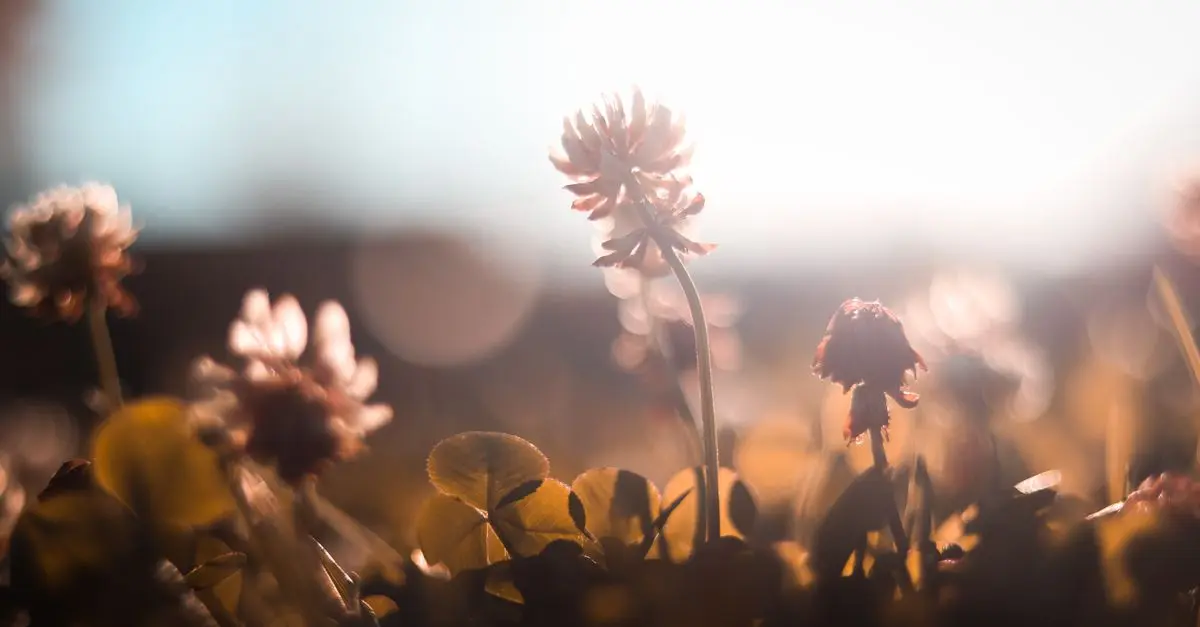
Controlling depth of field can significantly affect your composition. Use a shallow depth of field to blur the background, emphasizing your subject against a soft backdrop. Alternatively, a greater depth of field can keep the entire scene in focus for landscape photography.
Step 5: Experiment with Angles and Perspectives
Don't be afraid to move around your subject. Shoot from different heights, angles, or distances. Sometimes the most compelling shot can exist in a place you didn’t initially consider.
Step 6: Review and Adjust
After capturing your images, take the time to reflect on your compositions. Analyze what worked and where you could improve next time. Learning from each session is vital for growth in your craft.


3. Common Mistakes to Avoid
Even seasoned photographers can fall prey to common compositional mistakes. Here are some pitfalls to watch out for:
- Central Placement: Placing your subject directly in the center can feel uninteresting and static.
- Ignoring Backgrounds: Always check the background for distractions. A cluttered backdrop can detract from your subject.
- Overlooking Light & Shadows: Natural light greatly affects composition. Utilize the golden hour to create shadows and highlights that enhance your subject.
4. Analyzing Great Works of Art
Studying the compositions of renowned photographers such as Ansel Adams or Dorothea Lange can offer invaluable insights. Their images reflect a strong understanding of balance and focus, often using simple yet powerful techniques.
Composition Table
| Photographer | Technique Used | Strength | Example Work |
|---|---|---|---|
| Ansel Adams | Rule of Thirds | Creates dynamic landscapes | ‘Moonrise, Hernandez, New Mexico’ |
| Dorothea Lange | Strong Focal Points | Captures emotion and context | ‘Migrant Mother’ |
| Henri Cartier-Bresson | Framing | Captures spontaneous moments | ‘Behind the Gare Saint-Lazare’ |
| Richard Avedon | Depth of Field | Draws attention to subjects | ‘Dovima with Elephants’ |
# 📺 Resource Video
> 📺 To dive deeper into artistic photography composition techniques, check out tutorials on YouTube: “Artistic Photography Composition 2026”.
5. Frequently Asked Questions
Q1: What is the most important rule of composition in photography?
A1: The Rule of Thirds is considered one of the most pivotal principles, providing a framework for arranging elements in a balanced manner.
Q2: How can lighting affect my compositions?
A2: Lighting can dramatically influence mood, depth, and focus in a photo. Soft lighting often creates flattering images, while harsh light can add drama.
Q3: Should I always use a tripod for composition?
A3: A tripod is not necessary for all shots, but it helps in stabilizing your camera for steady shots, especially in low light situations.
Q4: How do I know if my composition works?
A4: It is beneficial to seek feedback and review your images frequently. Over time and with practice, your compositional instincts will improve.
Glossary
| Term | Definition |
|---|
| Rule of Thirds | A compositional guideline that divides the frame into thirds, aiding in the placement of subjects.
| Focal Point | The primary subject within a photograph that draws the viewer's attention.
| Depth of Field | The range of distance within a photo that appears sharp and in focus.
Checklist for Artistic Photography
- [ ] Define the story I want to convey.
- [ ] Identify my focal point using the Rule of Thirds.
- [ ] Analyze my background for distractions.
- [ ] Experiment with perspectives and angles.
- [ ] Utilize natural light effectively.
Conclusion
As you refine your skills in artistic photography, remember that composition is a fundamental aspect that can dramatically elevate your work. Practice continuously, have patience, and let your creativity flow. Don’t hesitate to explore various styles and approaches. With dedication and artistic insight, you will create images that speak volumes.
Remember to check out our recommended products below to elevate your photography experience!
📺 Pour aller plus loin : Artistic Photography Composition Techniques 2026 sur YouTube
Recommended products
Selected by our experts
'Quarto 1' Framed Wall Art 24''x24'' by Ackerman
cb2.com
This piece of wall art serves as inspiration for framing and composition in artistic photography.
Surratt Artistique Liquid Blush Cantaloup
bluemercury.com
A liquid blush that adds a natural touch to portrait photography, enhancing skin tones beautifully.
Surratt Artistique Blush La Rosee du Soir
bluemercury.com
This blush offers a natural glow, perfect for capturing warmth in portrait settings.