Table of Contents (19 sections)
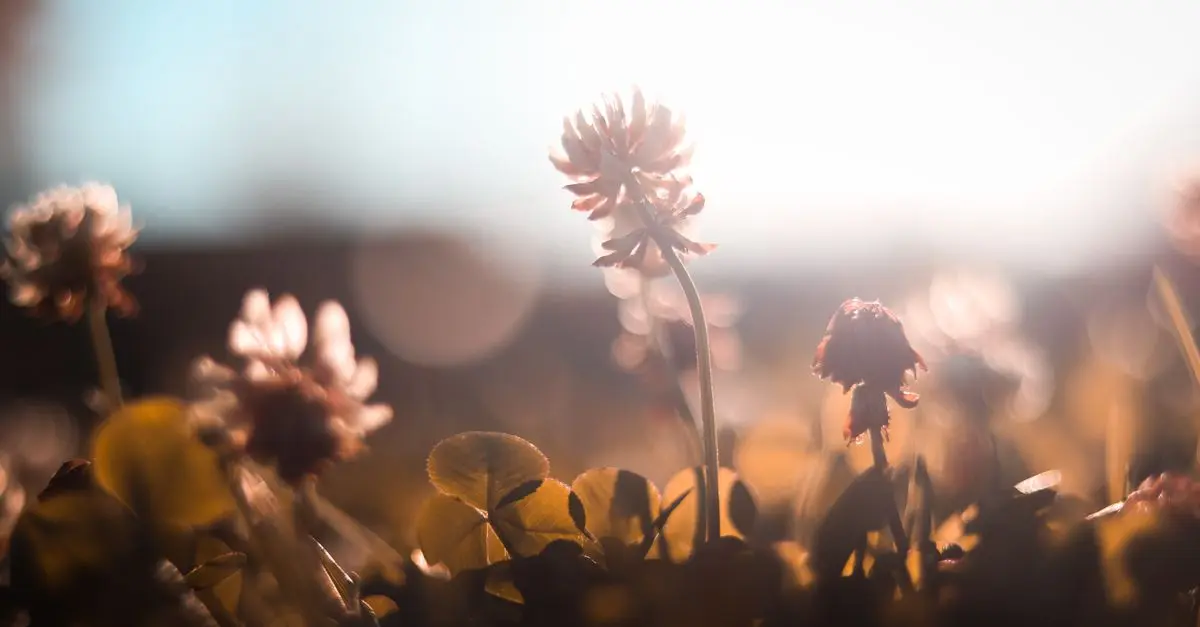
Negative space is a fundamental concept in artistic photography that can drastically change the way a viewer perceives an image. In simple terms, negative space refers to the area surrounding the subject of a photograph. Understanding how to use this space effectively allows photographers to create striking images that highlight their subjects while giving context and depth to the overall composition.
Using negative space isn't just about what is absent in an image; it’s about creating a deliberate choice that enhances the primary subject. This tutorial outlines the essential steps and considerations for mastering the art of negative space.
Step 1: Understanding Negative Space
Before jumping into techniques, it's crucial to understand what constitutes negative space in photography. Negative space is often referred to as the "background" or the areas that aren't the focal point. Nearly every photograph has negative space, but applying it to your advantage involves more nuanced decisions.
The Role of Negative Space
In artistic photography, negative space serves several critical roles:
- Emphasizing the Subject: By creating a contrast with the subject, negative space can draw the viewer's attention directly to what you want them to see.
- Providing Balance: Properly placed negative space can create a sense of balance within your composition, making the photograph more aesthetically pleasing.
- Creating Mood: The amount of negative space in a photograph can greatly influence its emotional impact, conveying feelings of isolation, tranquility, or even tension.
By consciously incorporating negative space, you can elevate your artistic photography. Moreover, understanding its importance sets a solid foundation for the techniques you will employ.
Step 2: Planning Your Composition
Good composition is essential for successfully employing negative space in photography. It requires planning and forethought.
Use of the Rule of Thirds
One effective compositional technique is the Rule of Thirds. This rule involves dividing your image into nine equal sections using two horizontal lines and two vertical lines. Positioning your main subject at the intersections of these lines often leads to a more engaging photo while allowing ample negative space around it.
Visualizing Your Shot
Before taking the photograph, visualize how you want the negative space to work in relation to your subject. For example, if you're photographing a person against a vast landscape, envision how much of the background should remain empty to emphasize the individual. Walk around the environment and shoot from different angles; this will help you decide where the most effective negative space can be found.


Step 3: Playing with Different Perspectives
Exploring varied perspectives is vital in artistic photography. Adjusting your viewpoint can significantly alter the presence and influence of negative space in a shot.
Low and High Angles
Try shooting from both low and high angles. A low angle can create a large expanse of sky above the subject, thus amplifying the feeling of open space. Conversely, a high angle may look down on the subject against multiple layers of foreground and background, enhancing the feeling of depth.
Wide Angle vs. Telephoto
Utilizing a wide-angle lens can extend the negative space around the subject, making it feel more isolated. In contrast, a telephoto lens compresses the space; while this can still work, ensuring the composition accommodates sufficient negative space is essential for maintaining the desired effect.
Step 4: Considering Color and Light
Light and color play significant roles in establishing negative space within your photographs.
Importance of Color Contrast
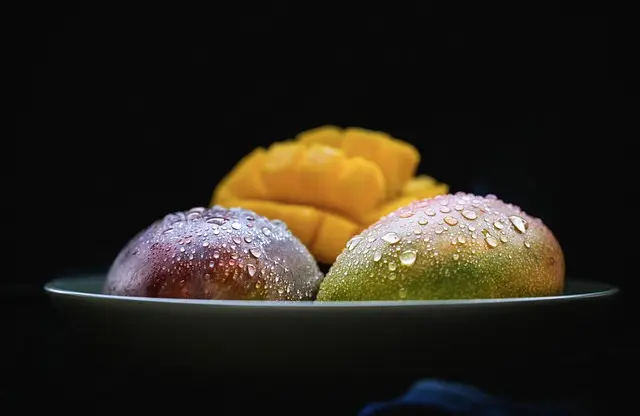
High contrast between your subject and the background can intensify the effect of negative space. For example, placing a brightly colored subject against a muted background can make it pop, drawing the viewer's eyes to the focal point.
Managing Light
Lighting is equally crucial in creating effective negative spaces. Soft, diffused light can create a serene atmosphere facilitating a clear distinction between the subject and background. On the other hand, harsh light can create stark shadows, introducing a new depth to both the subject and negative space.
Step 5: Evaluating and Editing Your Photos
After capturing your images, the evaluation stage becomes paramount. Editing is the perfect opportunity to further enhance the negative space.
Cropping for Impact
Sometimes during the editing phase, cropping can help perfect the balance of negative space. Removing elements that distract from the subject can strengthen the overall composition by enhancing negative space. Remember to always focus on your subject in relation to its environment, ensuring the cohesiveness of the intended message.
Post-Processing Techniques
Use post-processing tools to adjust the brightness and contrast levels, thereby emphasizing the subject against the negative space. Often, just a slight adjustment can make a significant difference in how impactful the photograph feels.
Checklist before Shooting
- [ ] Define the subject and how you want to position negative space.
- [ ] Compose your shot using the Rule of Thirds.
- [ ] Test different perspectives (low and high angles).
- [ ] Ensure proper light for the desired effect.
- [ ] Evaluate through the lens—consider the balance of the shot.
Glossary
| Terme | Définition |
|---|---|
| Negative Space | L'espace autour du sujet qui contribue à la composition de l'image. |
| Rule of Thirds | Une technique de composition où l'image est divisée en tiers pour équilibrer l'ensemble. |
| Perspective | L'angle sous lequel la photo est prise, influençant la perception des objets. |
📺 Ressource Vidéo
> 📺 Pour aller plus loin : Understanding Negative Space in Photography, a comprehensive analysis of the impact of negative space on visuals. Search on YouTube: "negative space photography techniques 2026".
Quiz rapide
> 🧠 Quiz rapide : What is the role of negative space in photography?
> - A) To distract from the subject.
> - B) To highlight the subject.
> - C) To fill the frame.
> Réponse : B — Negative space serves to emphasize the main subject by creating a contrast.
In conclusion, mastering the art of negative space in artistic photography isn't merely a technical skill; it’s a form of storytelling that allows you to connect deeply with the audience. Utilize these techniques, and you'll find that your photographs will not only capture moments but also evoke emotions long after the viewer has moved on.
We have selected several products tailored for your artistic photography needs. Explore our recommendations below to enhance your photographic journey!
📺 Pour aller plus loin : negative space photography techniques 2026 sur YouTube
Recommended products
Selected by our experts
'Quarto 1' Framed Wall Art 24''x24'' by Ackerman
cb2.com
This framed wall art piece can inspire photographers by showcasing effective use of negative space in modern decor.
Surratt Artistique Liquid Blush Cantaloup
bluemercury.com
Liquid blush can enhance your creative self-expression during photoshoots, providing a vibrant look.
Surratt Artistique Blush La Rosee du Soir
bluemercury.com
This blush shade works great for portrait photography, ensuring your subject appears naturally radiant.