Table of Contents (20 sections)
Photography is often described as painting with light. Mastering the use of light can elevate your artistic photography from ordinary to extraordinary. Understanding how light interacts with your subject can significantly affect your compositions, mood, and storytelling. This guide aims to explore various aspects of light in artistic photography, offering actionable steps for you to enhance your skills.
1. Understanding Light and Its Qualities
To successfully manipulate light for artistic photography, you must first understand its basic properties: intensity, quality, direction, and color. Each of these qualities can dramatically alter the perception of your subject. Intensity relates to how bright or dim the light source is. For example, harsh midday sun creates stark shadows, while soft morning light produces a gentle, even glow—ideal for portrait photography.
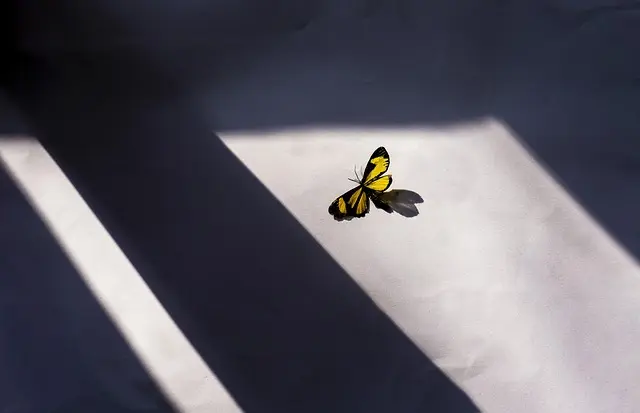
Quality refers to whether the light is hard or soft. Hard light produces sharp shadows and can be beneficial for capturing detailed textures, while soft light tends to reduce shadows, creating a more flattering look. The direction of light is equally crucial; front lighting can flatten your subject, side lighting can add depth and drama, and backlighting can produce silhouettes and outlines.
Finally, the color of light changes depending on the time of day and weather conditions, ranging from the warm colors of sunrise to the cooler hues of twilight. Be sure to experiment with different light situations to see how they affect your images.
2. Step-by-Step Guide to Using Natural Light
Step 1: Identify the Right Time of Day
One of the most important aspects of using natural light is knowing the best times to shoot. The golden hours—shortly after sunrise and before sunset—offer softer, more aesthetically pleasing light. Use apps or local weather forecasts to help you plan your shoots effectively.
Step 2: Scout Your Locations
Before you start shooting, spend some time exploring your location during different times of the day. Observing how the light interacts with the environment can help you plan your compositions. Look for areas where the light falls most beautifully, and note any obstacles that could obstruct it.
Step 3: Use Reflectors and Diffusers
Reflectors can help bounce light onto your subject, while diffusers can soften harsh light. Both tools can significantly enhance your images. You can find these tools in photography stores or DIY them from materials you have at home.
Step 4: Experiment with Angles
The angle at which light hits your subject can create dramatic effects. Move around your subject; try different perspectives and angles. Sometimes, a slight shift can make a significant difference in how the light interacts with your subject.
Step 5: Post-Processing Enhancements
After your shoot, use editing software to fine-tune the light in your images. Adjust brightness, contrast, and warmth to enhance your subject's appeal. Always strive for a natural look unless a dramatic effect is your goal.


📺 For further insights: Explore the Best Times to Shoot for Natural Light Photography on YouTube. Search: "best times for natural light photography 2026".
3. Artificial Light Techniques
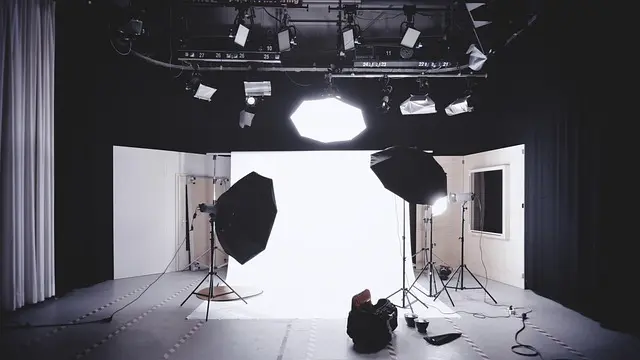
While natural light is often favored, mastering artificial lighting can open up even more creative possibilities. Studio lights allow for controlled light conditions. Here’s how to get started:
Step 1: Choose Your Equipment
Invest in a basic lighting kit if you’re serious about artificial lighting. A simple kit might include softboxes and LED lights that provide soft, diffused light.
Step 2: Learn to Control Light
Understand how to use light modifiers, such as softboxes and umbrellas, to manipulate the quality of light. This knowledge will allow you to create various moods in your compositions.
Step 3: Create Mood with Color Gels
Using colored gels over your lights can introduce a creative element into your photography. Experiment with different colors to set the tone of your images or to highlight certain features.
Step 4: Balance with Ambient Light
When using artificial light, be mindful of existing ambient light. Adjust your artificial light setup accordingly to maintain balance and avoid unnatural-looking images.
4. Comparing Natural vs. Artificial Light
| Criteria | Natural Light | Artificial Light | Verdict |
|---|---|---|---|
| Control | Limited | High | Artificial wins |
| Warmth | Dynamic | Adjustable | Natural wins |
| Mood Variety | Time of Day Dependent | Highly customizable | Artificial wins |
| Accessibility | Always available | Requires Equipment | Natural wins |
5. Common Mistakes to Avoid
- Ignoring Shadow: Shadows can add depth and intrigue to your images, so don’t overlook them!
- Poor White Balance: Incorrect white balance can lead to unappealing color casts. Always check this before shooting.
- Relying Solely on Flash: Flash can be harsh; understand how to use ambient light effectively.
- Neglecting Backlighting: Exploring backlighting possibilities can yield stunning results and create unique silhouettes.
- Not Experimenting: Artistic photography thrives on innovation; try different light conditions and see how they change your images.
Checklist Before Your Next Photoshoot
- [ ] Check the weather for natural light conditions
- [ ] Prepare all lighting equipment in advance
- [ ] Scout locations ahead of time
- [ ] Experiment with different angles and perspectives
- [ ] Review your images post-shoot for improvements
Glossary
| Term | Definition |
|---|---|
| Intensity | The brightness level of light hitting the subject. |
| Diffuser | A tool used to soften light, reducing harsh shadows. |
| Backlighting | A technique where the light source is behind the subject, creating outlines or silhouettes. |
Conclusion
Mastering light in artistic photography comes down to understanding its properties and how you can manipulate them. Keep experimenting with both natural and artificial lighting techniques to develop your unique style. Remember, it's all about expressing your creativity and vision through your images.
Explore the recommended tools and equipment to enhance your practice further!
🧠 Quick Quiz: What is the best time for outdoor photography?
- A) Midday
- B) Golden hour
- C) Midnight
Answer: B — The golden hour provides soft and flattering light.
📺 Pour aller plus loin : best times for natural light photography 2026 sur YouTube
Recommended products
Selected by our experts
'Quarto 1' Framed Wall Art 24''x24'' by Ackerman
cb2.com
This framed wall art provides inspiration for capturing unique lighting situations in artistic photography.
Surratt Artistique Liquid Blush Cantaloup
bluemercury.com
This liquid blush offers a fresh perspective on color application, similar to how understanding color in light can enhance your photography.
Surratt Artistique Blush La Rosee du Soir
bluemercury.com
The shades in this blush complement the focus on tonal ranges, which is critical in artistic photography.